Dear Ruby, I realize I should explain why I’m writing an old-fashioned letter instead of talking to you in person. I’m not sure what I want to say. There would be too much silence between words—not a thoughtful pause, but Ausable Chasm without its beauty.
Remember rock climbing at the chasm on our honeymoon? Was there ever anything typical about us?
Our wedding day, when for better or worse was a phrase that had as much significance as a television commercial for the terminally naive.
In black and white, that’s all we had in the 1950’s. Black or white cowboy hats determined whether a character was on the side of the law or not. You said that bullets killed both sides equally. I noticed only action and fantasy.
We were young. I wanted to get a job and protect you forever. As the mom, the cook at home.
“No way,” you answered, sweetness mixed with acid. You needed a career as well.You rerouted my chauvinism and triggered my admiration. However, my ignorance could only be channeled so far.
Our baby. A boy. Lived three hours.
“But, sweetheart, he didn’t have a chance anyway.” I tried to comfort you with facts instead of arms. “His brain and kidneys were not properly developed.” Perhaps I need to say goodbye to both George Henry Sr. and George Henry Jr.You mourned our baby. I lost you.”
Draft Two:
Dear Ruby, In my dream last night I bought a second engagement ring for you. But the ring disappeared when I tried to slip it on your finger. And you got angry as if I were trying some ill-mannered magic trick… No, I can’t admit that. It overflows with insecurity.
Attempt Three:
Dear Ruby, I worked late again the day we reconciled. It had been dark when I entered my brother’s house. His wife left food for me. She is kind, but sometimes feeling sorry for me leaks out of her and stains my ego. Thanks for taking me back. I have something important to tell you. I’m a changed man—odd timing, I’ll admit, but for the first time in my life, I see clearly you have always been the stronger half. Okay, minus the five months when we were separated. You got a break.
Uncle Tim’s hair and beard reminded me of Mom’s homemade spaghetti sauce, thick and red. But he covered it with cottony white to play Santa for our family Christmas party. He already had the belly and plenty of ho ho ho to spare.
Although Great Aunt Frieda, his own mama, said his tummy held more beer than cheer. That’s what made his nose and cheeks match his costume. He admitted he drank too much, occasionally, but he would slow down on his drinking. Really. After the holidays. Of course, seconds later he gulped three tiny glasses of whiskey that smelled so strong I almost coughed.
Then he pulled out a mug from the freezer and poured beer into it. Mom and a lot of the other relatives wondered which holiday he meant. But I adored Uncle Tim. I followed him like the puppy no one in our family had, his hero worshipper. At the age of ten, I was the oldest kid in the family. Well, I had two teenage relatives, but they hardly ever showed up, even at Christmas. My closest younger cousins still wore pull-ups. They played with their new toys in the living room, next to the artificial tree, the kind that’s already decorated and set on the back of a tabletop so nobody can bump into it.
Aunt Frieda got upset if any of the small people spilled juice on her rug or got crumbs on her couch.
So, the babies’ mamas sat on the floor and played with them, just to be safe. The other grownups sat around Great Aunt Frieda’s dining room table, drank coffee, and nibbled on her special oatmeal Christmas cookies. The grownups acted as if they didn’t taste like ground wood mixed with just enough sugar to keep anyone from throwing up. We kids could tell with one look that a starving dog would turn them down.
So, Uncle Tim and I went to the desk in his room to play a nature and geography game we liked. Uncle Tim taught social studies. He told me stories about countries all around the world, and then spread out maps and pictures. He asked me to tell a story, pretend to be traveling along the map, or act something out. It didn’t have to make sense. We had more fun when it didn’t. I got to be good at it, and Uncle Tim smiled when I traced the Great Wall of China with my finger and pretended it turned into marshmallow.
“You could be one of my eighth-grade students.” He cocked his head to one side and ruffled my hair. The compliment made me feel great, but his voice had the slightest slur, not a good sign.“What do you want for Christmas, little girl?” he asked in a fake super-low voice.
“How about bringing Mt. Fuji into my backyard? I could use the climbing practice. Or you could transfer my gym teacher to the Amazon. He said I move like a sick sloth.”
Uncle Tim put down his mug, for a second anyway, and grabbed a crayon out of my property-of-Caitlin, hands-off tin. He kept it on his desk, just for the two of us. “Hmmn, not sure. That’s going to take extra work, and the elves will put up a big fuss, but I’ll see what I can do about it.” He wrote Mt. Fuji in purple on line paper. “But.” He smiled and stroked the fake white of his beard. “I can make sure your gym teacher gets a load of coal in her backyard. Either that or drop off a real sick sloth.”
We laughed so loud Great Aunt Frieda came in and peeked at us with that stop-that-silly-nonsense look. I may be only a kid, but I think Mom nailed it when she said Grandma’s younger sister can take the song out of a canary. “Anything else I can do for you, my dear?” he asked.
“How about transferring the music teacher to Greenland? Or, better, to someplace in the Amazon where they have crocodiles? She told me I had a tin ear, whatever that means. She expects us to be like Schroeder in the Peanuts comics and make great sound come out of a black-and-white drawing.”
Uncle Tim said, “Tin ear is an old-fashioned way of saying you won’t grow up to be a piano tuner, but that teacher gets extra points for rude.” He rolled his eyes and finished the beer in one gulp. “Well, I guess nobody knows why people act the way they do.” He sighed and opened the big Atlas I loved with all the bright colors. “A person is like a map. A map gives you an idea what a country is like: where the mountains and rivers are, the shape of the borders. But the map doesn’t let you see weather, sunsets, wars, the beautiful and the ugly. Do you know what I mean?”
“Kind of. Tell you what I really want, Uncle Tim. No game.”
“What’s that, sugar?”
“I want you to stay awake longer tonight. It scares me when you go to sleep, and then drop over like a book falling off a shelf. I can’t pick you up and put you back like I can a book of nursery rhymes. I mean, I get scared that you are the real Humpty Dumpty, and nobody will ever put you together again.”
Uncle Tim got quiet, and then slammed down his empty mug, almost like he forgot we were having fun. I thought I would have to play with the babies like I had to once Uncle Tim got sleepy.
“Aw, Caitlin, I’m not opening another bottle. No early sleeping tonight.”
And that night, Uncle Tim and I even played ping pong in the basement. Sort of. The men in the family watched sports on television and let us use the table. Uncle Tim and I bounced more balls off the table than over the net. Our game didn’t deserve a score.
***
On the following Tuesday, the phone rang after eleven o’clock at night. Mom answered. I got out of bed and ran into her room to find out who called, but she told me to go back to bed, so I grabbed the kitchen extension and listened. Mom and Aunt Frieda were talking about Uncle Tim. Something bad had happened, something really bad, a car accident. Uncle Tim was in trouble. Big trouble. A mother and her baby had been in the other car. No one got killed. But they had to get stitches. Tim was shook like he never had been in his life. And he faced something called a DUI.
“About time that worthless kid faced up to his responsibilities,” Aunt Frieda said.
“If he’s that shook, maybe he’s ready to change. Join a twelve-step program. Ever think about that? I’m up to helping my cousin. Do it for him? No. But listen, sure. Hey, it’s not like I don’t understand hard times. I’m a widow. Remember? Cancer took my husband. Now Tim is taking the place of the father Caitlin never knew. I owe it to Tim.”
My heart beat so hard I could feel it pound in my throat. Uncle Tim hit somebody’s car. People got hurt. And then, Mom talked about Dad. To Aunt Frieda. I didn’t remember him; he died when I was a toddler. All I knew was a picture Mom had on her dresser that she dusted all the time, even if she didn’t have time to clean the rest of the room.
“That’s not the same thing. I call because I can’t sleep over all this and you talk about yourself.”
Aunt Frieda hung up without saying good bye. Mom told me she heard every breath I took when I was on the other line, but she didn’t give me a hard time about it. She said she understood why I did it. I didn’t feel sure about much, but somehow I had to help Uncle Tim.
Uncle Tim:
Caitlin talked, but I didn’t hear a word she said. I thought about her words on Christmas Day, about Humpty Dumpty, Humpty Tim, lying on the bed, cracked open and scared to get up. Sure, I felt good to be home again, at least temporarily, until the court decided my fate. However, I wanted a drink but wouldn’t dare touch anything. Finally, Caitlin had raised her voice. “You haven’t even looked at this stuff I gave to you yesterday. There is a story here. I didn’t put these pages together just to be cute you know.”
“Okay, of course. You are already cute.”
“Not the point. You know what? A department store dummy doesn’t stare into space as much as you do.” She shook the stapled papers at me. “Catch the plan, Uncle Tim. Please.”
Then she left. I locked the door to my room. It kept Mama out, even if it didn’t protect me from her words blasting through the wood and exploding around the top, bottom, and sides.
“You got what you deserve. You know that. Your father is dead because he couldn’t give up the sauce. Now you . . .you. . . I don’t know what I ever did to deserve this.”
Mama cried, and I was grateful when I heard her moving away, down the hall, into the dark rooms of this large house. She sobbed for herself. My predicament only got in her way, at least that’s the way I saw it. But since nobody poured liquor down my throat, I couldn’t blame anyone but me. Her tears complicated my guilt. I wanted the emptiness of a blackout right then, but at the same time the notion sickened me. I recalled the dizziness that always came sometime before oblivion, the roller coaster ride at warp speed as it left the ground and reality. Then that horrid night replayed through my mind in an infinite loop: Lights flash against dark, wet early evening streets. People pass and stare—at my car smashed into the driver’s side of another. I see that woman’s face when she gets out of her car from the other side as if it is printed in indelible ink behind my eyelids. She looks at her child in her car seat, at the blood flowing from her temples.
She screams, “Caitlin! Caitlin!”Then, after she determines the child is alive, the woman stares at me. She doesn’t need to say anything. Blood is in her hair. That is what I remember; her 911 call remains a blur. I stand there, helpless. The numb in my head fills my muscles and paralyzes them, too. I don’t get a single scratch. Not one. My car looks as messed up as my life promises to be, but my body could be rubber, numb, and bendable as my beard. My soul collapses long before the cops arrive, assess my drunken state, and cuff me.
Why did the baby have to have the same name as my niece? I tried to divert my attention by looking at Caitlin’s pages neatly stapled together. On the top was a sheet with several drawings. My niece can’t be bothered with details. A real learning sponge, but art has never been her forte. She penciled a stick figure here and there with printed words to fill in the empty spaces. I opened the first page to a primitive house drawing labeled: Aunt Frieda’s place.
A staple at the left corner nicked my thumb as I turned to the second page: a newspaper with an apartment for rent circled. This one looks good, added in red block letters, And Mom says she will pay your first month’s rent. One bedroom. Aunt Frieda can stay in the big old house.” I laughed, for the first time since the accident, glad Mama must be far enough away not to hear. Not that I expected her to say anything other than I’m in a heap of trouble, and that the bars I like so much are going to take on a whole different meaning soon.
The next page showed a stick figure family. Caitlin wrote names under the figures. They didn’t make sense. Not right away anyway. A mother, a father, a boy named Daniel, and an infant named Caitlin. I stared at it for a long time before I noticed words crayoned in yellow at the bottom. Turn to the back to find the answer, Uncle Tim. Printed in small block letters, Caitlin wrote: Daniel is in my class. His baby sister’s stitches are healing, and his mother wants the man who hit them to pay for her car and a lot more, too. But she also wants him to get better. Forever. Not go to jail. Daniel doesn’t know you are my uncle. I love you, Caitlin.
I got my Santa hat out of the back of my drawer and pulled it on. A nasty sleet had iced everything in sight. Not that I’d be driving anywhere. My license waited in time-out until who-knows-when. Mama saw me as I opened the door. “Are you crazy?”
“Probably. I’m on my way to move Mt. Fuji to a very special backyard, and I’m considering transferring a music teacher to the Amazon.” Mama didn’t say anything, possibly certain I really had gone mad. The thin white gloss made walking difficult, so I tread over chilled grass instead of pavement as much as possible. I imagined tracing Caitlin’s Wall of China, except it soon became Tim’s obstacle course, transformed into marshmallow—one step, one blessed step at a time.
A friend is a gift you give yourself. (Robert Louis Stevenson)
BETWEEN CHESTER AND ME
Mom and her friends said Chester’s dad was nuts for sending him to an expensive private school after he failed third grade in public school. Again. Especially since the money he spent on out-of-parish tuition could have replaced that worthless pickup truck he drove. But I pretended I didn’t hear. Mom didn’t care what I thought anyway. She said I may be eight years old, but I could give out eighty-years-worth of opinion. Seems to me I wasn’t allowed to have one different notion about anything, much less too many.
“We get nasty notes about how much money we owe,” Chester told me, his mouth so full of crooked teeth, even I stared, and I was his best friend. “But Dad always pays. Late maybe. Just has to borrow a little once in a while.”
“So, doesn’t change a single game we play,” I said. “Uhm. You can’t come over today. I’ve got a doctor’s appointment, just for a check-up. See you at school tomorrow.”
I ran off before Chester saw the lie in me. I wish he wouldn’t tell me about his money problems. His dad’s dark shaggy beard and one pair of paint-spattered jeans told me he didn’t have much, unless he owned more than one pair of pants with a star-shaped tear in the knee with copper flecks of something on the seat. Chester wore old clothes like the ones we gave to the Salvation Army, things that were too shabby to wear, but too good for rags. Mom said I should never say anything mean to him. But I shouldn’t bring him home either.
“Stacey, Chester’s not all there. Do you know what I mean?” she said.
“Not all where?” I lifted the lid to the sugar jar and tapped the sides. I thought about sucking on one of the crystal chunks that fell into the center, but I didn’t really want it. Besides, it would fall apart as soon as I picked it up. Just like most of my arguments with my mother.
“Don’t pretend ignorance,” Mom said. “You never know what someone like that is going to do. Besides, it wouldn’t hurt for you to play with another girl now and then.”
I knew better than to argue anymore. I always ended up with extra chores if I did. But Mom didn’t understand. The other girls wanted to be fashion designers or actresses. Or they played with dolls in boring lace dresses and talked for them in voices that sounded like they’d been sucking in helium balloons. I never understood how someone could prefer fancy-pretend to football. Of course, some of the boys would think they had to be bosses. I hated that. Chester never played by those rules.
Once I broke a string on a brand-new gold yo-yo. I tried to tie the broken part back on but knew that wouldn’t work. I was just being stubborn and trying to prove a point about how I lost good birthday money on a piece of junk. So, I got mad and hurled the worthless thing at a fat old tree. Chester grabbed the two broken halves and covered his ears with them.
“Hey, Stacey? Look, my head’s winding the string.” He squatted down and stood up again until he got dizzy. Then he stuck his tongue out at me, and I laughed so hard I forgot to be in a bad mood.
In class, Chester would suck in air through his teeth and fold his arithmetic papers like an accordion. Sometimes his answers were so wrong the other kids laughed their heads off. Then it would take Mrs. Craftwood at least five minutes to quiet everybody down. But I wouldn’t laugh, even if Chester said something really funny, like the time he asked if the earth was hollow like the globe in the science room.
“Yeah, hollow like his head,” Jerry Freeman whispered. Then he stared at me. “Are you going to marry Hollow Head?” Every freckle on Jerry’s face flashed malice.
I tripped him when he went to sharpen his pencil. He bruised his elbow when he fell into another kid’s desk. I claimed it was an accident, but I didn’t look the least bit sorry. Mrs. Craftwood sent me to spend the afternoon in the principal’s office, and I had to sweep floors after school, but it was worth it.
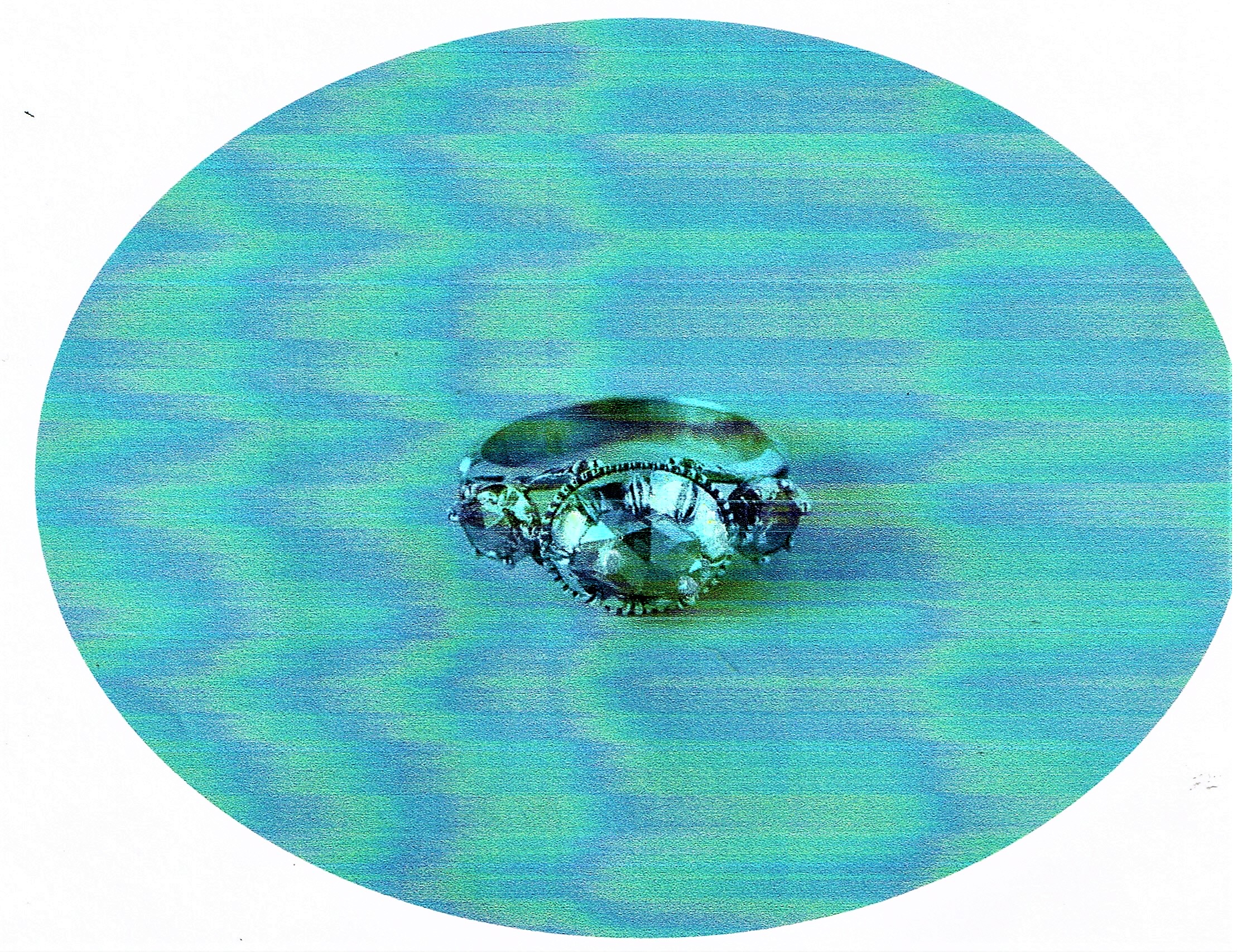
Chester kept a tiny, gray velvet box hidden in his pocket. A ring with a big white diamond lay in a soft spongy space inside. He said it belonged to his mom. She died and went to heaven not long after he was born.
“You can’t touch it, Stacey,” he said. “Only I can do that ‘cause it belonged to my mom. I like to hold it and pretend she’s right next to me. Dad said she had hair dark as molasses and a voice that made the angels cry.”
He rolled the ring in his palm, then held the jewel to the sun, as if he could see more than a few sparkly places. Then he carefully put the ring back inside, and we ran to find swings next to one another on the playground. If there weren’t any, we climbed the monkey bars, and he never seemed to care that I always beat him to the top.
One day in the lunchroom, Mrs. Craftwood saw Chester take the ring out of his pocket. She dragged him to the principal’s office. I threw away the other half of my bologna sandwich and followed them. They didn’t close the door. I saw everything.
“This ring had to be stolen,” Mrs. Craftwood told Mrs. Austin, “because this boy’s father is incapable of affording something like this.”
Mrs. Austin glared at Chester. “Stealing is a sin, son. You should know that.”
After school when Chester’s dad got to the principal’s office I sat outside the office and listened again. I knew that he had a job in a big, important office a long time ago, but the company closed one day, and he never found another job like it. Then after his wife died, he moved into an old four-room house on the edge of town and did odd jobs now and then. Folks said he didn’t seem to care anymore. But when he charged into Mrs. Austin’s office, it was clear he cared about something.
He didn’t say anything while she and Mrs. Craftwood accused Chester of stealing. Then he asked if either one of them took a close look at the ring.
“Why should that be necessary?” Mrs. Austin asked.
“Because it doesn’t take much light to see the truth in that diamond. Let me guess. Came in a gray box. Smells a little like grass stains and peanut butter.”
“What are you talking about, sir?” Mrs. Austin said.
I had to cover my ears because Chester’s dad got so loud. And this time the door was shut. He’d slammed it when he went inside. Hard.
“Would a real diamond look as scratched up as the side of a matchbox?”
“Please lower your voice,” Mrs. Craftwood said.
“Not until you return his mother’s ring.”
I wanted to lean into the door and catch everything that went on, but then Chester’s dad started talking about how his wife deserved better, and so does Chester. Wasn’t so exciting anymore. Something I couldn’t explain made me feel strange, almost like I walked into the boys’ dressing room by mistake. So, I sat on the bench outside the door and waited for what seemed like a long time.
“Thank you,” Chester said as his dad opened the door. Simple, like nothing was ever taken from him in the first place. He didn’t even see me right away because he was too busy slipping the ring on and off of his finger.
But his dad’s face looked so red it must have hurt. I could have sworn it burned right through his whiskers. He stopped when he saw me. “Stacey, you’re a good kid. Chester’s crazy about you. Don’t ever get too big for yourself.”
“I won’t,” I said. But I thought that was a strange thing to say.
Chester never did come back. He went away to a special-needs school on the other side of town. Mom said it was time for me to start playing with normal children.
“What’s normal?” I asked, and Mom accused me of being smart aleck.
But this time I wasn’t.
After that, I decided it was best to be vague about what I was doing. Sometimes I went to Chester’s house and we explored the woods behind it. We hoisted ourselves into the trees with lower branches and hunted for birds’ nests and woodpecker holes. He carved our names into a young beech tree.
“Someday when we’re old enough, let’s get married,” he said. “We’ll come back here and I’ll draw the heart and put the date on it.”
“Maybe,” I said. “But let’s look for salamanders down by the creek now.”
“Okay. But why can’t we ever go to your house to play?”
“Mom said I had to play outside. She’s cleaning.”
“You said she was sick last time,” he said.
“That’s because all she does is clean. And that much cleaning would make anyone sick.”
I stopped going to his house as much because I got tired of lying. To Mom. To Chester. Then one day I told Mom I was going for a long bike ride all by myself. I went to Chester’s house, but no one was there. When I peeked into his house it was empty, blind-dark. On the way home I felt mean, like somehow, I made Chester move away. I stopped at our beech tree in the woods, took a sharp rock and etched a shallow, lopsided heart around our names. It didn’t look very good. I’m not sure why I did it. Playing house never appealed to me. And Chester and I were never boyfriend and girlfriend.
But when I went to my cousin Janet’s wedding that summer, I thought about what it would be like to be a grown-up getting married. Maybe just for that day I would be willing to wear a lace dress, one made by a silly third-grade girl who grew up to be a fashion designer. Of course, I didn’t want to marry just anybody. The groom needed to be special, someone like Chester, who could give me a fake diamond, yet be real inside.
“I don’t understand you. You don’t understand me. What else do we have in common?” Ashleigh Brilliant
I doubt my brother even noticed that I faced the wall, a book to my face when he came into the bedroom. Randy and I weren’t exactly on brother-love, best-buddy speaking terms, not since I needed to hide my gas money in a locked box in the trunk of my ancient Toyota. Anything else of any value my girlfriend held for me. I slept with my phone and charged it as needed at her house.
Besides, I didn’t want Randy to see the expression on my face when he opened his sock and underwear drawer. He spent a lot of time in that drawer, and believe me, it wasn’t to change socks or underwear.
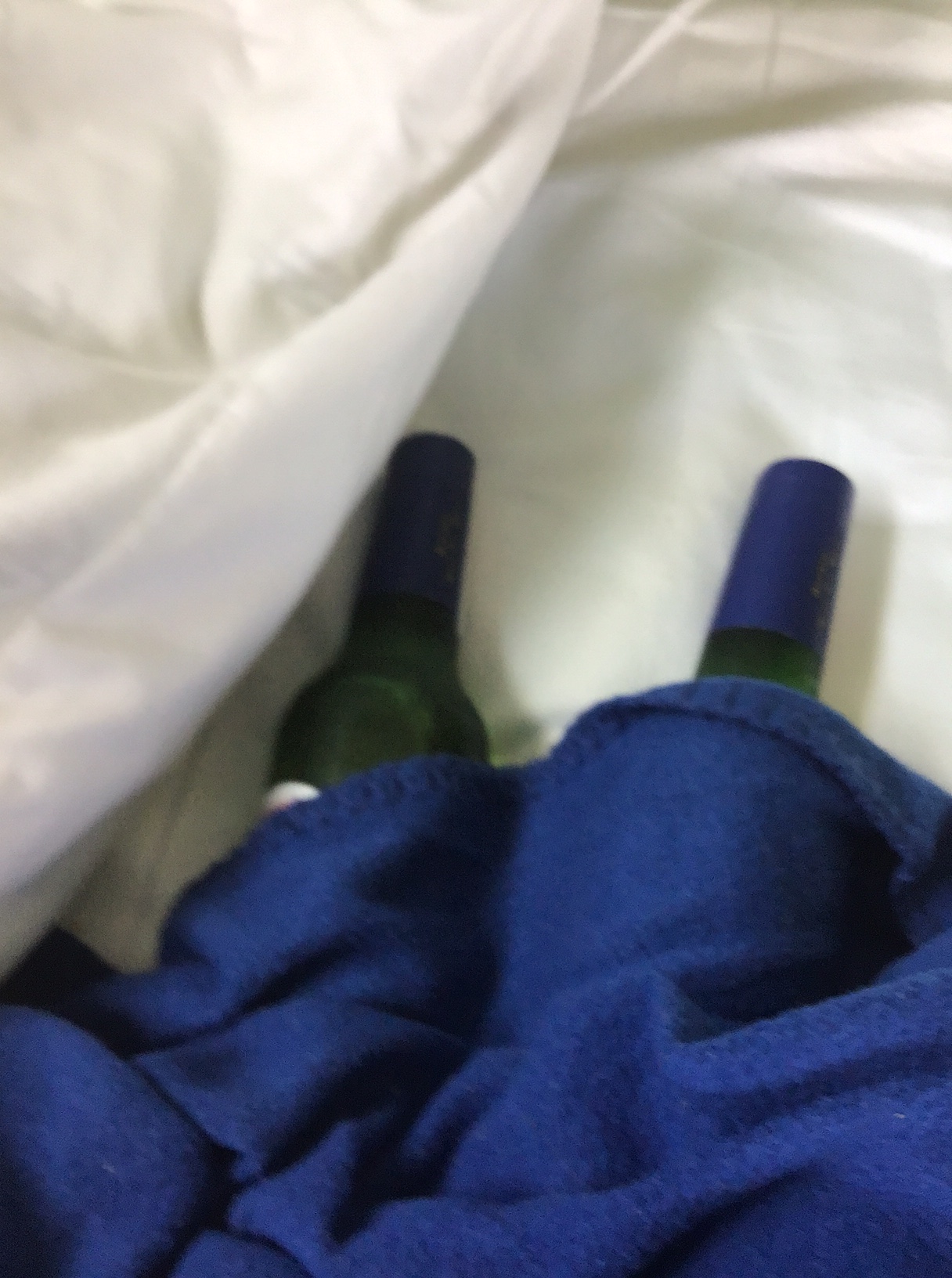
“What the…” He pulled out an empty bourbon bottle with a skull and crossbones picture glued to the front. I’m not much of an artist, so I copied and pasted one from clip art.
“You finally found your brand,” I said looking him full in his face, absolutely not a pleasant picture. He hadn’t shaved in weeks. His color mimicked a semi-rotten tomato. Except the tomato would have smelled better.
“This was not empty when I left it.”
“Are you sure? My guess is your memory is as long as a beer commercial. And that a drink serving is measured in bottles not glasses…”
“I am doing just FINE, Stan!”
“Right,” I said, sitting on the edge of the bed in case I needed to move out of the room quickly. At least he still knew his younger brother’s name. “I saw your grades. Congratulations, you almost made it to a 2.0 this quarter. You started the term with how many courses?”
“I’ll catch up. I’ll get that certification I promised Mom.” Randy was 28 years old, eight years older than I was. This time he decided he would go into radiology as a technician. Eventually. He plopped onto his bed instead of arguing further. “I just feel trapped right now. Don’t feel free. Need a change of scenery. Something.”
Nope, not trapped yet, I thought. Besides, you’ve had too much rat poison to see you are the one who set the trap.
Strange how he didn’t say one word about my editorial comment on the front of the bottle,. He only noticed that the bourbon was drained. I had flushed the contents down the basement toilet. Hope it didn’t damage the pipes.
He reached inside his wastepaper basket. We each had our own. His was full—fuller than I knew. An unopened bottle lay at the bottom. “Going out for a while. If Mom asks, tell her I’ll be back later.” He knew Dad wouldn’t ask. He had given up on Randy a long time ago. Once I overheard Dad tell Mom that she had gone through sixteen hours of labor with him. She could continue to hope. His part had been a lot easier, so he could say adios to the bum. Sure, Randy was a rat and a jerk, but I thought that was a pretty mean thing to say to Mom.
Randy waved goodbye. That was the last I saw of him until we got a call from the police two days later. My brother had blown more than twice the legal limit; then he passed out.
Mom screamed as she repeated something about blood all over the road. It happened to come from a large dog that had run in front of the car. A horrible picture. Fortunately, no other person had been with my brother when he was arrested.
No one. That struck me for the first time. He didn’t have friends. None that I knew anyway. He’d had a girlfriend or two, but the relationships never lasted long.
I looked for old pictures of Randy and me as we were growing up. There weren’t many. We didn’t have a large family, and no one was good at taking photos. He smiled in the earlier shots, but never in the ones taken since he hit high school. I wondered about that, but didn’t feel free to ask my parents. Dad had already cut him off. And Mom never talked about such things. The ten commandments had all the answers. Psychology was reserved for folk who talked to themselves and got answers in different voices.
When I came home from school one day a few weeks later Mom said she had good news. “Randy is going to an in-patient program. And if he graduates, he doesn’t have to go to jail.”
“All right.” I wasn’t ready to move my good watch and Grandfather’s saleable baseball cards back into the house yet. But I was genuinely glad to hear it.
Then, one night at about eleven in the evening I had turned out the light and climbed into bed when my cell rang. I usually look to see who is calling, but I was so surprised I just answered.
“Is this Stan Weeks?”
“Uh, yeah.”
“Sorry to bug you. This time of night and all. My name’s Shelby. I’m a new friend of Randy’s. From Elmcast House. I got sprung yesterday and your brother asked me to call. Was so nervous. I had to work up the courage.” The tone and inflection of her speech shouted uneducated inner city.
“Okay.” I wondered why she hadn’t called the previous day, but as she hesitated so often I could almost hear her gulp, I was shocked that she had contacted me at all. And that piqued my curiosity.
“You know…not many of us make it. Ten percent. Maybe. Took me three gosh-miserable tries. I ain’t proud of it. Your brother’s gonna make it up to you… and everybody. He said he’s really done wrong by you.”
“Glad he’s reformed,” I said, my cynicism leaking out and my grammatical sensor secretly tearing her apart.
“He’s been so honest,” she said, her words suddenly pouring out. “I mean it must of tore your family apart when that minister raped him when he was fourteen. Just a kid. Tender and bleeding. He didn’t know there was men that done that.”
I sat upright. My Ten Commandments family knew nothing about it. Our minister WAS God. Although as I remember him I didn’t care for his self-righteous tone. I couldn’t tell when he was reading Scripture and when he was reading the word of Reverend Knows-It-All. And Randy’s smile in the photos evaporated just about that time.
“Shelby?” my voice must have stammered.
“You okay, Stan?”
“Yes and no.”
“Did I say something wrong?”
“Not at all. Will you be keeping in touch with Randy?”
“You bet.”
“And will you keep my number, too?”
“Sure.”
“Good. Then let me know how Randy is doing. You, too.”
“Okay. Bye.”
My phone went black, like the darkened room. Silent. Like all these years had been. I wondered if Randy was awake or asleep. And if he had finally discovered freedom, whatever freedom meant to him.
originally published in Piker Press on March 31, 2015
When we are children we welcome thinking of the future. This innocence leaves us free to enjoy ourselves as few adults can. The day we fret about the future is the day we leave our childhood behind. Patrick Rothfuss
Nope, No Wedding Yet
The rocky ground at the bottom of the street of my grade school home became my mini-mountain, perfect for climbing. It was hidden behind enough trees to be its own paradise, a place for a kid to climb and become king of the world. When I was nine years old I saw nothing peculiar about a strawberry-blond girl king.
The great play arena eventually disappeared as developers plowed through. But in the mid 1950’s Joe and I claimed the world. He was my self-proclaimed boyfriend. In fourth grade I hadn’t graduated from paper dolls and mud pies, so the notion of a white veil followed by a life in the kitchen sounded as appealing as living with a perpetual mop. I was allergic to homework, much less life responsibilities. Imagination was more appealing.
Joe wasn’t like the other guys in my class. We played as equals. I knew his family wasn’t tidy. I didn’t care. Joe didn’t need the meaner boys around him to be okay. He wasn’t the tallest and certainly not the most popular kid. Mom had never met him. That alone was good enough for me. Outside, Joe and I could always be free. From homework or chores. From real life. We challenged an open space where the air moved freely around our imaginations. And the blue sky was on our side.
“Hey,” he said one day. I saw a kind of shy smile in his brown eyes that didn’t match the same dirty blue jeans he wore all the time, and he planted a kiss right smack on my lips.
I thought, oh yuck, but didn’t want to hurt his feelings. Joe wore a kindness that transcended grime. You had to face foreign lands on a fun rock to see past the classroom to understand Joe. We never talked about school stuff. Only the next jaunt into places we created.
“I’ve got a special surprise for you since your birthday is coming up,” he said. “Come to my house.”
We cut through two yards and landed on his street in something like three eyeblinks.
“Hey, Mom!” he called. “Where’s the engagement ring I found? I am going to give it to Mary Therese.”
Mary Therese! My at-school name. I groaned. Oh no. Formal talk. Sounded like a nun. Not me. I’d never hit anyone with a ruler in my life. And I would be off balance with a rosary that big at my waist. A wedding would spoil that lifestyle but neither wife nor sisterhood sounded appealing. And call me Terry, my at-home name.
How could I say something about how I thought girls had to at least have boobs before marriage without sounding personal? Joe’s mom wasn’t mine. The question would need to wait.
“Oh Joe, I’m sorry,” his mother said, not sounding sorry at all. “That ring got accidentally flushed down the toilet.”
Joe groaned. Now that I didn’t need to worry about a commitment, gratitude filled every cell of my tiny being. Who needs a ten-year engagement? Or worse, a lost recess for a wedding ceremony? Yet somehow Joe quickly recovered.
Our relationship ended long before puberty. As time passed, I hoped Joe found someone. Later. Much later. Long after the septic system absorbed my first engagement ring. I always wondered whether it had been born in a box of Cracker Jacks or found on a west-side sidewalk.
At least now if someone asks if I ever broke someone’s heart I can say, “No. The ordinary toilet took care of that for me.”
“There are only two ways to live your life. One is as though nothing is a miracle. The other is as though everything is a miracle.” ― Albert Einstein
Kim’s Secret
“Aren’t you tired of ho-ho-ho songs by now?” Dana said, nodding toward the radio on the back counter.
Kim shrugged. Sure “Frosty the Snowman” earned freezer burn by December 23, but Phil’s “Silent Night” could calm a hurricane. She wanted to picture him playing guitar before his first round of chemo. She saw him in his red plaid flannel shirt and khaki pants that didn’t match, his leg muscles strong from jogging, and his dark hair three weeks late for a trim. When Phil plucked a string it answered with a celestial ring, even on his nephew’s student guitar. Phil’s upbeat attitude never fell out of rhythm, no matter how he felt.
What a family he has, Kim thought. And they accepted her the first time she met them, with all her quirks, something Kim never understood. Her mother died when she was two. And the only memory she had of her father came with a belt buckle flung across her back. However, she never saw the belt or her father again after the ambulance came and got her. Just the inside of three foster homes, the last an okay shelter, a good place only because Phil lived two doors away.
Tess, Phil’s mother, always said, “Look for the miracle, Kim.” Even through the worst of Phil’s illnesses.”
“How can you still believe in such things?” Kim would ask.
“You’re here, aren’t you?” Tess answered.
The IV room printer made demands that slowed Dana’s whining and took the edge off Kim’s worry about Phil’s cancer surgery, scheduled at ten, after five years of remission. She sighed. The doctor said the tumor was larger than the first or the second recurrences. She had told no one. In fact, she told no one about anything in her private life, even insignificant details. Fortunately, Phil was in another hospital. She regretted insisting that no one call her at work. Ever. She wondered if even hermits needed to take a breath out of their caves now and then. Her heart beat over time.
“Hey, who was that hunk I saw you with in the cafeteria last week?” Dana asked.
Kim gasped. Hunk? Phil weighed less than she did after all his chemo. His baseball cap fit as if he were a child wearing his father’s hat.
“A friend.” My fiancé someday, maybe. Tess may believe in divine intervention, but … She drilled an unblinking stare into Dana’s eyes. “Is there some reason you need to know?’
“Well, I …”
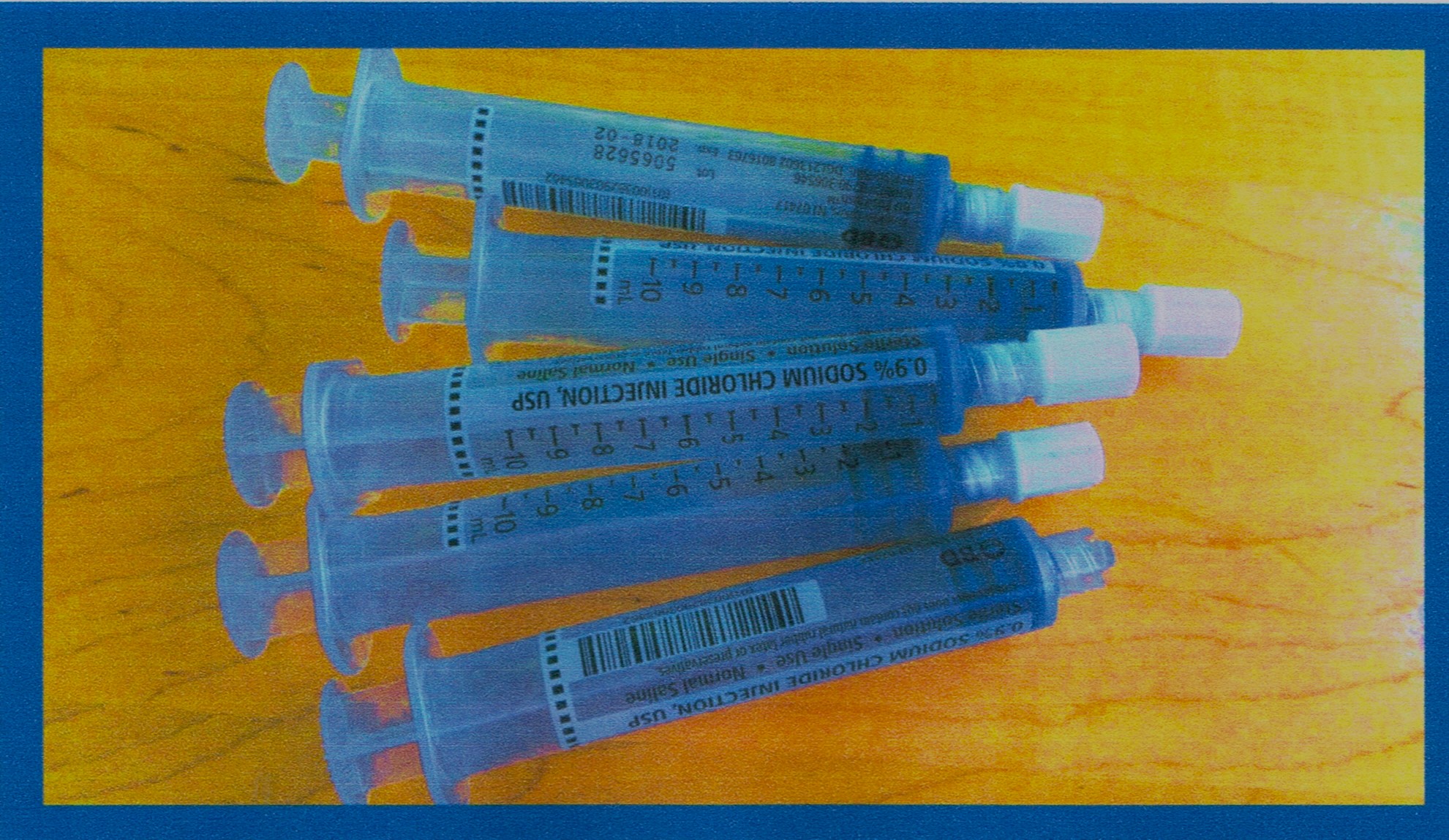
“Well, we’re running low on 5ml syringes. Should I get anything else before I scrub again?”
“No, but you don’t need to get so testy. I only asked.”
Kim kept her head down as she pushed a cart through the pharmacy’s IV supply aisle.
Dana said little the rest of the day, but the sweet Christmas songs lost their flavor.
Kim had known Phil for ten years, since seventh grade when they played basketball in his driveway. She beat him. Before his growth spurt. Tess gave her a basketball for Christmas. Phil wrapped it with leftover Christmas wrap in haphazard, clumsy patches. Then he presented it with a mock flourish as if it were a work of art. Even Phil’s dad, usually serious, couldn’t stifle a laugh.
Kim knew she had found a home, even if it wasn’t official.
As she got into her car at the end of her shift, she called Tess to get Phil’s room number.
“Oh, Kim, I wish you had let me call you at work.” Tess cried. “I almost did anyway.”
But the connection was so poor in the employee parking garage that Kim couldn’t catch her tone.
“What room is he in? I can barely hear you,” Kim shouted until she discovered at least that much. “Tell me the rest when I get there.”
When she arrived, Kim walked behind two men headed for the elevator.
“I know I’m only on first-year rotation, but I was in the OR. I saw everything,” one man said.
“But I saw the tumor on the scan, less than a week ago, not the first one he’s had either. Things don’t happen this way. You checked his labs?”
“Double-checked.”
“And they just closed him back up again?”
“Yes.”
Kim paled. No, it couldn’t be. But the second man said something about the first tumor appearing when the patient turned thirteen. This could not be some peculiar coincidence. They were talking about Phil.
When she got to his closed door, Tess opened it the instant Kim knocked.
“I should have called you anyway, whether you wanted me to or not.”
Kim hurried to Phil’s bed. He opened his eyes for a moment, then closed them again. “Sorry, sweetie, too many drugs, but the miracle lady’s got news for you,” he whispered.
Tess made a mock swing toward Phil, then laughed. “I understand the confusion in the OR was unprecedented. When they cut Phil open, the tumor wasn’t there. As in disappeared. Gone. Ended up sewing him back up again. He may be released tomorrow.”
“But, how?” Kim asked.
“Doesn’t matter,” Phil said, his voice weak, but clear.
“I’m confused.”
“What matters is that neither one of us gives up. What do you think? Big bash or small chapel wedding?”
Kim hesitated. Carolers began singing at the other end of the hallway. As they passed Phil’s door their harmony reached a crescendo, then settled into a gentle sweetness that faded into the opposite wing.
“Simple ceremony and celebration, lots of family,” she answered. “All I ask is that you be there.”
She caught Tess’s smile and grinned back. What more could she want than Christmas in a family made of miracles?
Forgiveness is the fragrance that the violet sheds on the heel that has crushed it. (Mark Twain)
Joy to the World” rose dulcimer sweet and holiday warm from my car radio as I pulled into the church parking lot last December 23. The song’s bright spirit irritated me. It reminded me of the heat in my ‘85 Buick—hell-fire hot on high or dead cold on any other setting. Turning off the ignition eliminated the carol, but it didn’t solve my problem.
So why was I going to a Christmas program, advertised as experiential, in a grumpy mood? A place where joyous carols were inevitable? I could convince myself that I was here because some random sign recommended the evening: Be in St. Patrick’s lot at seven. A bus will take you to the program from there. Location will not be announced. This is a definite don’t-miss! But my reason was less noble. I had refused to go with Jack and Tara to the airport to pick up my mother. My mother’s plane arrived at seven—I wanted to be almost anywhere else. This sign was the first thing I saw on my escape route.
Tara had brought a white poinsettia for Grandma Paisley. With her own money. I don’t know where my fifth-grade daughter found such fondness for the old witch. It’s not like Grandma gave her any more than an obligatory birthday gift now and then, usually the wrong color and the wrong size—from the double-mark-down, non-returnable rack.
Tara hadn’t even seen her grandma in two years. Mother moved to Florida in November on a whim. She didn’t even say goodbye. She just packed a suitcase and moved into an old friend’s apartment in case she decided to move back. She stayed for six months but didn’t pay rent—the friend evicted her. So much for Mother’s friends. I’m not certain where she went after that.
I couldn’t understand Jack’s enthusiasm for Mother’s visit either. He had been so supportive of me when I went into counseling, so depressed I grew dehydrated by crying. Not literally, but it felt that way.
The counselor was only minimally helpful, too confrontational. She had the audacity to suggest that I intentionally put on weight to hide my obvious resemblance to my mother. Yes, we both have eyes the color of weak coffee, slender noses, and square chins.
However, I’ve never been drunk in my life. And you can be certain Tara didn’t learn profanity from me. Any resemblance is skin-deep. That monotone-professional-doc-distance that the therapist used made me even more angry.
“Anna,” Jack said sighing. “Paisley has been sober for five weeks now.”
“So, you say. She also told you she’s vegetarian,” I said, shuddering because Jack said my name with disdain, yet referred to his mother-in-law by her first name. “She’ll take one look at our Christmas turkey and call us a bunch of carnivores. Then she’ll spread wheat germ into my cookie dough as if she were disinfecting it.”
“But nothing like that has happened yet.”
“Right. The key word is yet. Have you ever heard Mother say one kind word to me? And has she asked to say one word to me?”
“Compliments aren’t her way,” he answered.
***
I locked my old Buick and zipped the keys in my purse, I felt betrayed. Tara was barely ten years old. She didn’t know any better. But where had Jack’s support gone? I knew—to the airport to bring home a woman destined to destroy the happiest season of the year.
I was the last person in line to get on the bus.
“Not much of a turn-out for a production that’s supposed to be so incredible,” I mumbled.
“Oh, people are busy and over-committed this time of year,” the young, pregnant girl in front of me said. She had thin, stringy hair, washed, yet hastily combed, so it dried in haphazard clumps. She wore a faded wool coat that was the same shade of sweet potato orange as her hair. Two oversized buttons connected with their buttonholes at her neck and across her chest. Successive buttons and buttonholes grew farther and farther apart, exposing bib overalls over a belly ripe for birth.
I decided she couldn’t possibly be married. “Too bad you couldn’t bring your husband with you tonight,” I said, with only the barest tinge of regret.
“Oh, but he is here,” she said revealing a mouthful of crooked teeth. “He’s driving the bus.”
Two green, bulging trash bags lay on the seat behind the driver. She dropped them next to her husband, in the space between the driver’s seat and the window. He turned around and grinned. I guessed him to be part Mexican, a good ten years older than the girl. He had long, straight, dark hair that looked even straighter jutting out from a tight, brown knit hat. I wasn’t impressed with him either.
The girl motioned for me to get into the seat first.
“My name’s Marilyn. What’s yours?” she asked.
“Anna Barnes,” I answered. I didn’t really want to tell her, but “none of your business” contains three more syllables. I looked out at the pale flurries swirling in the darkness as if I really cared about them.
“We have an Ann in our famil…,” she said.
“That’s nice,” I said as free of affect as I could.
“I’m sorry you need to be so angry,” she said.
“What makes you think I’m angry?” I turned to face her.
“It’s thick around you, dipped-in-concrete thick.”
“If I were angry, could it be any business of yours?”
“Oh, we’ve had to forgive lots of folks who don’t understand the birth of this child. Haven’t we, José?”
José nodded and I felt emotionally naked and stupid in front of these bizarre strangers, despite the fact that my views were probably identical to the views of the forgiven.
“Nice lofty thought,” I said. “But some people deserve to be kept at a distance.”
“Maybe,” she said. “But keeping them off saps my energy. Besides, this baby is due any day now! He’s my first and I have no idea how long my labor is going to be.”
By now we were thirty miles east of the city, cornfield country. José turned down a narrow, unpaved road. The loose rocks made it difficult to drive with any speed. About one-half mile down, he stopped the bus at a farmhouse. One light shone from what was probably the living room. Silently he got out of the bus, walked to the door, and knocked. No one answered, he knocked again. The light in the house went out. José climbed back on the bus.
“We’ll try farther up the road,” he said to Marilyn.
He started the bus again and drove ten more minutes until we came to another house. He got out again and knocked. A man came to the door. Gesturing and pointing, he said something to José we couldn’t hear. José smiled as he re-entered the bus.
“Maybe not what we’re looking for, but this is it,” he said to Marilyn. Then he took the green trash bags to the back of the bus. Most of the people in the bus looked puzzled as the men and women in the last three rows reached into the first bag. Inside were angel costumes, white robes with gossamer wings attached. The angels sang as they pulled the robes over flannel shirts and faded blue jeans, “Silent night, holy night. All is calm. All is bright…”
Their voices blended a Capella—bass, alto, and tenor—with simple, unpretentious strength. A man opened the second bag and brought out shepherd costumes. He passed them out to anyone who would take one, then stood carrying a lantern. Outside the bus he lit the lantern while the angels continued to sing, “Oh, holy night. The stars are brightly shining…”
José took Marilyn’s arm and led her behind the house to a barn.
The people inside the bus followed.
The man with the lantern opened the door of the barn as Marilyn and José went inside. “In those days a decree went out from Caesar Augustus,” he began, loud and clear without help from a microphone.
There were no chairs, but I didn’t feel like sitting anyway.
The singers directed us to join them in “The First Noel.” I don’t have much of a voice, but even I couldn’t disobey angels.
Marilyn looked at me and smiled. Somehow, from center stage she didn’t look like an ignorant young girl to me anymore. She was smiling into my soul as if she could see all the concrete-angry ugliness I cherished. Yet she chose to care for me anyway. I wasn’t ready to accept or give that kind of love yet. But I was willing to learn—difficult visitor at my house this Christmas or not.
Merry Christmas
The illustration was made from a public domain image, color paper, and a piece of an old Christmas card.



 terrypetersen