Feeds:
Posts
Comments

Future Life Dancer


When someone loves you, the way they talk about you is different. You feel safe and comfortable.”
― Jess C. Scott, The Intern

Future Life Dancer

Two little girls dance
on an empty open stage.
They twirl exploring dizziness
and laugh as song rhythms repeat.

A man comes and pulls
the older child away while
the smaller one continues
to explore her own feet,

to pat her toes in syncopated
rhythms on the wooden floor
as if she notices her shoes 
and their sounds for the first time.

My brow lowers as the
scene continues and I wonder
if I am making judgments based
on fact. To bless all possibilities

I slip by the father and his two
small girls. “You have beautiful
children,” I say, then grin at the
older child. My words are for her.

illustration made from public domain image


World Traveler, a Poem

 “Children are like wet cement: whatever falls on them makes an impression."
 Haim Ginott

World Traveler

Her guests gather at the garden party,
admirers, distant family, anyone who
has heard about her glorious travels. 


Her words fit 
like jewels set in fine gold,
impeccable, precise.
All listen mesmerized as
Arabia, China, Australia, Egypt
find space among the common
folding chairs.


She waves her hands
and the pyramids
seem to appear
from the tips of 
long, tapered fingers
as she describes the exotic
with a practiced voice.


A toddler tugs at her skirt
“Mama. Up. Now?”
 

The traveler looks into
the  small arena. Ears 
catch a tale touting the
memory of elephants.


She begins a story
about the dangers of desert,
dry, miles of hot sand,
no water, no human contact    
for miles, or days.


The child, silent,
seeks the lap of a stranger.
The stranger understands.
She strokes the girl's head,
and imagines stroking her own.


“The most remarkable thing about my mother is that for thirty years she served the family nothing but leftovers. The original meal has never been found.” ― Calvin Trillin

 A neologism is created language, part of one word attached to part of another. Words like obscene and horrid didn’t exist until Shakespeare put them together. Click the link to get a fuller story. I don’t know what sixteenth-century word parts created the new concepts. My grandchildren may think I am that old, but my birth certificate proves I arrived a few centuries later.

A neologism offers a perfect place for humor. The stage I chose for this entry is the kitchen. Since the process of word blending has been happening for centuries, I encourage readers to suggest a few. Who knows? Maybe in a dozen years, your new expression may become a favorite expression.

Speeelover: an oven spill caught by the smoke alarm. The number of E’s is contingent upon the size of the damage and the amount of time it takes to get the smoke out of the house.

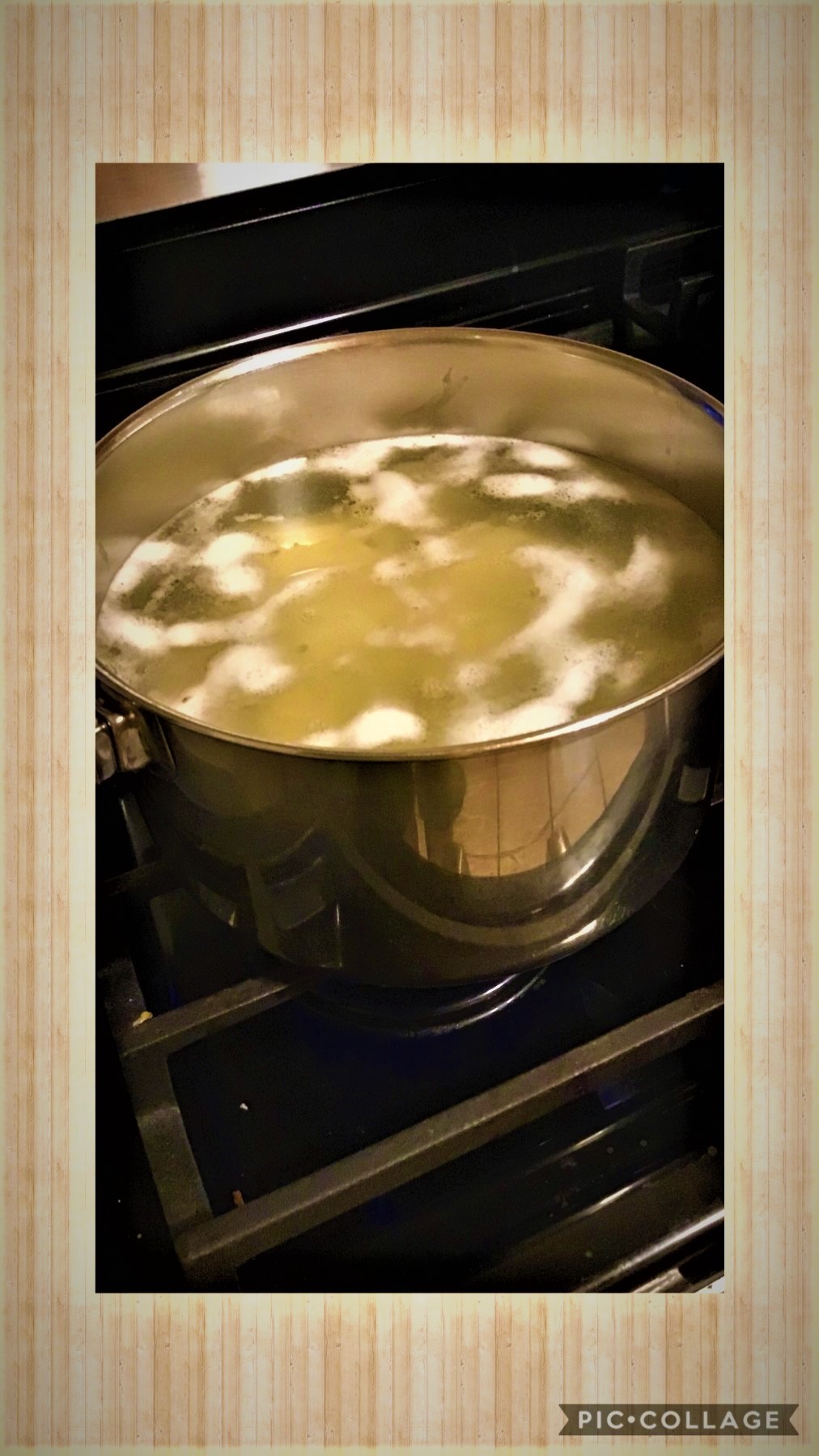
Eggsploder: eggs boiled until all water is evaporated and the eggs explode onto the ceiling and walls.

Charcolit chip cookies: This one is self-explanatory. Degrees range from a scrapable black bottom tray to even the dog escaping the scene.

Unrestirable pudding: A dessert boiled on high heat with a black, sticky residue at the bottom.

Compaste: unrestirable pudding that has soaked for more than a week and resists more than two steel wool pads. The name comes from its similarity to compost and its exceptional glue-like capabilities.

Nukatray: a frozen microwave dinner. This is the only alternative when the above scenarios occur on the same day.      

Among the Rabbits pic

“He who does not understand your silence will probably not understand your words.” Elbert Hubbard

AMONG THE RABBITS

Carson had a knack for quiet. He sat as still as the broken clock that stood on a pole outside his school building, obvious yet ignored. He would talk in class, when necessary, about how numbers fit together or an e at the end of a word changed its sound. That one muted vowel grabbed the end of a word and changed its meaning. He understood.

Silence didn’t necessarily mean safety.   

Carson had hair bright as a ripe tangerine, tiny freckles across the bridge of a small nose, the kind of face adults called endearing. Yet, he had learned trust and grownups didn’t necessarily mix. No matter how nice they appeared. It isn’t a good idea to touch a colorful frog; it’s poisonous. Inside and out. 

His third-grade teacher smiled and called him an ideal student. She never threw him against a wall for reasons more silent than the e, the way his foster mother did. Carson, however, couldn’t take any chances. He measured syllables as if they had the power of a summer storm that could stop a clock.

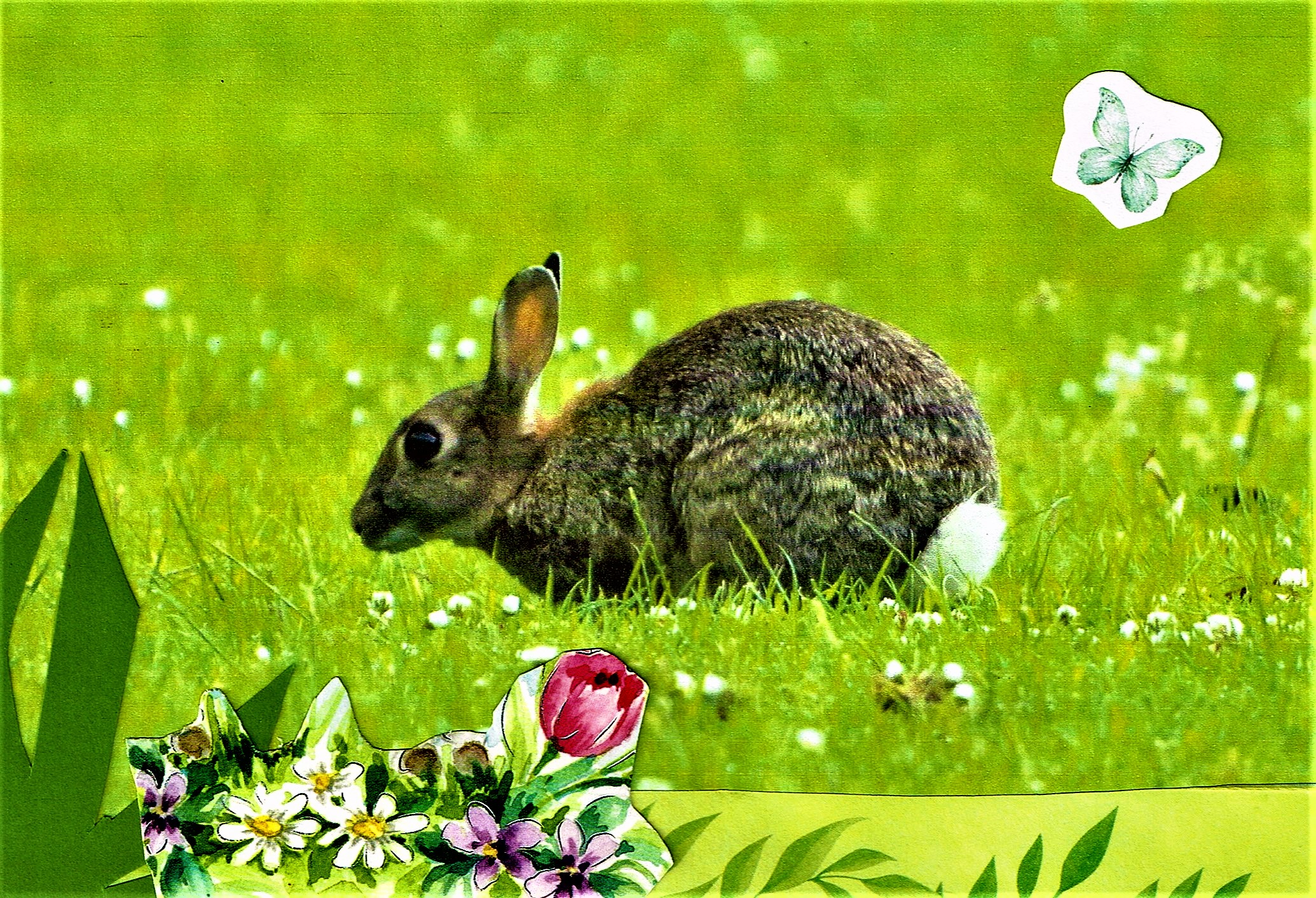
Reading helped as a temporary escape, especially library books about animals. Dolphins swam in oceans as blue as ink. Beavers built dams and he imagined joining them. He traveled across Australia with joeys and flew with eagles over canyons. He loved wild, free rabbits. He watched for them as he rode the bus in the morning, in the center of a lawn one moment, out of sight the next.

Carson had no place to go. As soon as he got home at three o’clock, his foster mother locked him in the tiny storage room. He never knew when she would return. Their apartment had designer couches and expensive antique vases; they could have been gold-plated garbage cans. Carson never experienced the gold.

Summer vacation began in one week, and his stomach hurt whenever he thought about it. He would spend long stifling hours alone. Or, when his stepmother stayed home, he would iron, scrub floors, and scour the toilet with undiluted bleach, his usual chores.

He remembered his real mother who had been taken from him when he turned five. The grownups were all wrong; she wasn’t crazy, only sad. Besides, they talked about her as if she had done something wrong. She just cried a lot, saying horrible people surrounded the house. They listened to her conversations. She warned him that their cat had swallowed a microphone; he needed to be careful about petting her.

The last he had heard, his dad lived someplace on the west coast, or was it Florida?

His foster mother, however, seemed to enjoy meanness. “If you tell anyone about the bruises on your back, you’ll get worse. I swear.” Carson didn’t doubt it for a second. She wore each threat like a funnel cloud, no warning siren necessary. He could feel it in the atmosphere.

 At school, Carson had one friend, Robin. She talked enough for the two of them. “Beat you to the cafeteria line,” she always said, but never did. One of her legs hadn’t grown as long as the other.

None of the other kids bothered with her, except to call her Wobbles. Her teeth lined up as crooked as a rock fence and her eyes looked no bigger than uneven pebbles. She told Carson the kids who made fun of her needed to grow up. Although he noticed Robin was the shortest kid in the class.

Sometimes she shared homemade quickbreads from her lunch: a muffin, biscuit, or cornbread.

“Mom and I had a flour fight last night,” she told him as she cut an oversized banana muffin with a plastic knife.

“What’s a flour fight?” Carson devoured his half of the muffin and then folded the paper as if it were going into a shirt drawer instead of the trash.

“You know, where you take flour and throw it at one another when you make cakes or bread.”

“Doesn’t that make a mess?”

“Sure, then we clean up, and laugh about it.”

“Oh. Okay.” It didn’t make sense at all, although he remembered when he lived in a house that wasn’t neat, especially toward the end. No flour anywhere. The garbage overflowed and the house smelled like a cat box. All the blinds stayed shut night and day with the lights turned out.

“What would you like Mom to bake next?” Robin gathered their paper trash into a crumpled ball.

“Whatever she wants.”

“But what is your favorite?”

“Biscuits. Big ones.”

“You got it. Maybe your mom should make some biscuits for you. That same old skinny bologna on white has got to be boring after a while.”

Carson stared at the lunchroom table until the time came to go out to the playground. Remembering his mother made his head hurt.

“Let’s hurry to the playground before the other kids get to the swings. Beat you there.” Robin grinned.

Carson didn’t try to run. He wanted his friend to win for a change.

 “Doing anything this summer?” Robin stretched her belly over the lowest swing on the school grounds, arms and legs dangling.

 He had heard one of the teachers tell another they might take the swings out during the summer and replace them with safer equipment. Carson hoped that didn’t happen. He liked joining the sky and feeling power. Besides, swings made him forget about danger. He never saw anyone get hurt. What made the playground unsafe now? Why hadn’t the change been made last year, or the year before if they were so awful?

“No, I’m not doing anything. Nothing special anyway.” He stared into the sky as he pumped his legs and kicked the air until the chain jerked

 “Not even read?”

 “Well, sure. About animals.”

 “Yeah? I live where rabbits come out of the woods because we feed them. Lettuce. Tomatoes. Every morning, early.”

“No cages?”     

“Uh uh. Why don’t you come to my house and see them?

 “Not allowed.”

 She dragged her shoes through the dust. “Oh.”

 Carson’s throat tightened. He wouldn’t dare get his feet that dirty.

“Follow me. Over there.” She pointed to a wide tree at the left of the playground.

She spit on her hand. “You do it, too. Then we shake hands, share secrets, and become best friends forever. We die if we tell.”

“That’s silly.”

“Carson, don’t you trust me?”

He looked at her, grimaced, spit on his hand, and then slapped it onto hers.

“I have a toad-shaped birthmark on my back. When I wiggle, it hops.”

He shrugged, pretending to smile. “My best friend next to you is a pee jar.”  

He expected her to laugh, but she didn’t. Instead, she frowned, and opened her mouth to say something, but didn’t. Instead, she ran, awkwardly, toward the slide. He climbed the ladder behind her. The metal surface gave a scalding warning. He should not have hinted at anything about his home life.

The next day Robin asked about a burn on his hand.

“An accident. Sort of.”

“From what?”

“Ironing my foster mother’s stuff.”

“You iron? Wow.”

Carson re-tied a shoelace that didn’t need it.

“I’ll go to your house. How about tomorrow?”

“Bad idea.”

“Why?”

He paused and then shrugged.

Grinning, she tugged at the back of his collar, gasped, and suddenly let go. Her smile evaporated. “I didn’t. I didn’t.”

“What?”

“Sorry, I didn’t mean to pull on your shirt so hard.”

“It’s okay.”

But chirping Robin turned into a mother hen. If Carson dropped a pencil she dived for it, as if it were breakable glass. He felt her eyes on him almost all the time. She never explained why.

On the last day of class, she almost turned back into herself. “I brought two muffins today instead of one.” However, she peeled off the wrapper of both pieces of bread as if he were a toddler.  

“Okay,” Carson said. “What’s up?”

“Nothing. Mom just made extra.”

“I iron. Remember? I can handle paper.”

“Oh. Sorry. Just being polite.”

After Carson arrived home he made a peanut butter sandwich, washed the knife, poured a cup of water, got his own pee jar, and smoothed a blanket under the single light bulb in his tiny hideaway. Three books lay unopened on the floor. He had already read them. No more library books during the summer. His foster mother would never let him go. All his new reading came from the school library. He only had a few books now.

He thought about the rabbits at Robin’s house as they ran through the yard, free, fed, happy. He bowed his head when he heard the storage room door lock from the other side, then the front door slam. He waited until his foster mother had been gone at least five minutes before he cried.

Scarcely an hour passed when he heard the door reopen. She couldn’t be home already. Then he heard the landlord’s voice. “Really, officer, if there’s been any trouble, I knew nothing about it. Honest.”

“Carson, where are you?” Robin shouted. “Mom’s made a snack for you.”

Then a woman with a musical drawl called, “This is Robin’s mom. It’s going to be okay, honey.”

Carson felt his heart fight to get out of his chest.

“Got some homemade biscuits with butter if you’re hungry.”

“In here.” His answer came as a dry squeak. The lock slid open.

Outside the door stood the tallest, darkest policeman Carson had ever seen, a plump woman the color of spicy pumpkin pie, and Robin.

“We are here to help you, son.” The policeman extended his hand.

Carson held his breath.

“I’m sorry. I had to tell Mom and Dad. Especially since he’s a policeman. He promised me it would be okay. Dad doesn’t lie.” Robin bit at her thumbnail.

“Huh?”

“Oh, guess you didn’t know. I’m foster, too.  When I saw the cuts and bruises on the back of your neck, they made me remember.”

Carson heard footsteps in the hall outside the front door. He was surprised he didn’t pass out when the apartment door opened, and the footsteps got louder.

A woman he didn’t know appeared. “Sorry that I’m late. Construction detour. Traffic backed up for miles.”

“Oh, that’s the social worker. Don’t worry,” Robin said. “You’ll like her. She’s a good person, not just nice.”

“Where am I going?” Carson whispered.

Robin smiled. “If everything works out okay, with me to watch the rabbits.”


First appeared in Piker Press in August of 2014


Watch Out Below!

black squirrel (2)

"Rarely does one see a squirrel tremble." 
Zadie Smith.

The air in Canada carries peace—until a black 
squirrel attack begins.
“Watch out!” a fellow traveler calls as an 
acorn whizzes past me from the roof 
of the motel.

Squashed acorns appear all over 
the parking lot.

The squirrel appears and searches through 
the pieces. Humans aren’t a target now. 
It’s buffet time. 


All I know for certain is that I am not 
invited. The woman who saw the critter's
prank,smiles. 


She and I talk. We feast on the moment,
the serendipity of meeting others. 
illustration made from cut paper and colored pencil


“(24/7) once you sign on to be a mother, that's the only shift they offer.” 
― Jodi Picoult, My Sister's Keeper

BIRTH AND GROWTH, A POEM

Swollen, toxic, ignorant of motherhood,
you lie in your post-world-war hospital bed,
and wonder if you’ve heard lies.
How can a newborn, untouched 
by her life source, be fine?

You see, hear, touch, smell nothing but
bleached sheets and ward antiseptic.
The baby develops away from you
in a nursery. You return home without her,
cord leaked into your womb, severed.
 
Later, at home, baby grows fed on evaporated milk
and rules made of rules. Each should-be is sacred.
The child reaches for you, to break the barrier,
but not until long after she delivers your grandson.
By then you have embraced age. It has taken you away.

Your great-granddaughter finds your photo in an old album.
“That’s my mother,” your daughter says. 
“You would have loved her.” 
The chasm finally closes.
For no good reason at all.


illustration made from public domain photo and colored chalk


“Guard well your thoughts when alone and your words when accompanied.” 
― Roy T. Bennett

Thoughts, Cracked and Imperfect

small thoughts wander through small minds
the way grains of sand move inside a plastic water bucket

EXAGGERATED THOUGHTS CHARGE THROUGH INFLATED MINDS
WITH THE CLAMOR OF BLINDED DRIVERS SPEEDING THROUGH ORANGE BARRELS

DisJointed tHoughtS haZZard tHrough ScaTTered miNds
LiKE  a hUndrEd lOsinG lottery TicKets FloatinG in a fLoodeD STreaM.

Clear thoughts carry possibilities,
confined by human limitations.

small, EXAGGERATED, and DisJointed fraGmentS impoSe
upoN clariTy. 

May I keep my mouth shut
until clarity wins.

sun

“It`s not how old you are, it`s how you are old.” Jules Renard 

This week I will tell another short story. The world is full of ugly. It needs to be faced. However, sometimes we need a moment with a happy ending. 

Callie, Meet Callie

The young man in the driver’s seat glances toward me after he makes a left turn into city traffic. He tells me everything is going to be okay. My shoulder will get repaired, and I will be pitching a baseball game. The first octogenarian in the major leagues. He says it too many times. I can’t tell whether he is trying to be funny or not.  

I look out the window and watch the traffic. I wonder if I ever drove a car or lived in a brick house with a flower garden in the yard. Right now, all I remember is a sour, skinny someone coming into this small room where I stay in this big building.

“The medicine I am giving you doesn’t taste bad at all,” she told me. She should have added, compared to swallowing liquid bleach. I don’t know if she was trying to fool me or just get an addled old lady to toe the line. After all, the place I could call home if I wanted to, is unpleasant to every sense: hearing, smell, taste, touch, sight. Old folk, some much frailer than I am, fill small rooms like the one I occupy. Roommates come. And go.

 The deep ache in my shoulder doesn’t go away. No matter how many times my young escort says it will. Of course, he doesn’t say how and when that is going to happen. And he isn’t talking to me right now. He tells the traffic light something about cracked bones. “Not for one second do I believe she fell.”

He finally turns to me. “It was Sadie, that new aide, wasn’t it? She pulled your arm. She throws temper tantrums toddler-style and gets by with it. That girl should be fired!”

I don’t answer. He must have been telling traffic signals and passing trucks about how my shoulder got hurt, but he doesn’t continue his rant or give details. Chances are no one would have believed me if I said anything, even if this pulled-arm story is true. I have a difficult time keeping names in my memory—or remembering much of anything for that matter. My thoughts feel like scattered puzzle pieces outside a crushed cardboard box—with no way of getting the pieces back where they belong.

Right now, the puzzle piece I see has a picture of a frowning aide on it. No name that fits and stays in place. I remember the pain.

Then the young man turns to me with a softer, less irritated voice. “Grandma Callie, you know I’m Kevin, don’t you?”

“I know you come to see me. And you make me smile.” I want to lie, to say of course I remember everything about you. But he could start asking questions I can’t answer.

Kevin is the only face I recognize as someone who bothers to visit me—on purpose. That much I know, even if I can’t hold onto his name for long. Besides, this peculiar sadness comes to me, and it doesn’t have words. Just a sense. Something happened that I’m not sure I want to recall anyway. Something sad and big. Not big like an empty room. Big like a hole in the ground with an ugliness at the bottom.

“Thank you.” I look at Kevin and want to say more but words don’t come. I have no idea where we are going until we reach a building even bigger than my so-called home. We are at a hospital.

He stays with me, fills out papers, pats my good arm, and tells me I will be as good as new until this lady in what looks like dull green pajamas is ready to take me to the operating room.

I watch the tiny holes in the ceiling as I ride down a long hallway. The holes are all the same size. All empty.

“You have naturally curly hair, don’t you?” the lady asks.

“Probably.”

“The pattern of ringlets is unusual. And you were a redhead. Your eyebrows. That’s how I guess. The color shines through the gray.”

Chances are, this lady is making conversation, trying to keep me from being nervous, and yet she has triggered a memory. I see my hair at the age of 25, as golden as the sun at midday. Then I see a man, his arm around me, but the image is interrupted because we have reached the operating room.

“Hi, I’m the anesthesiologist,” a woman completely covered with green pajama material says. “It’s my job to make sure you sleep well while the doctor works.”

“We definitely want you to be having pleasant dreams,” a man who is likely the doctor says.

I close my eyes and float. I’m asleep. Even so, before long I hear a voice holler, “No pulse!”

Then the faraway words. “Cardiac failure…no code.”

But my dream is too good. A man has his arm around me. I know who he is. My husband. Andrew. Tall. Dark as the bark of an ash tree. He draws me to him. I hear a baby cry, turn, and pick him up from his crib. Our son, Michael. Yes…yes. Kevin’s father has become an infant again.

 Another dream slips in. Earlier. Less pleasant. My parents.  “Marry him and you will never see us again.”

Locks changed on their door. The inside space remained sealed against us.

Andrew died from cancer. Then our son, Michael, died because of complications from a bout of pneumonia. He was buried next to his father, an ancient stone with a fresh death underneath.

“We are sorry about your loss,” my mother said. No comforting arms were offered. Not even a greeting card.

I feel myself slowly waking in what is probably the recovery room. But the anesthesiologist and the doctor told me to have pleasant dreams. Only the reappearance of my sweet Andrew had been pleasant.

Finally, I feel a gentle hand rouse me. “Wow! You must have been having a wild dream.  You were kicking the sheets.”

I look up to see a nurse wearing the brightest white scrubs I have ever seen.

“Not only that…” I decide not to mention what I heard in the OR as I slept. It was just too strange.

 “Well, there’s a party waiting for you.”

 “A party? How did Kevin arrange that in such a short period of time?”

 “Oh, you don’t know yet. Don’t worry. Kevin will grieve. Long and hard. He’s a good man. But those of us on this side of the clouds will lead him to the insurance policy Andrew left for him. It’s big enough for him to finish that engineering degree he’s always wanted. And there’s this girl. I think they are getting serious…”

 “Huh?” I check out at my shoulders. Both of them. No sign of a scar. No pain. “So, I really didn’t make it through surgery.”

“I guess that depends upon how you want to define didn’t make it. Could you tell me a story about your life if you wanted?”

“I could take all day and tell one tale after the other. I remember when Michael, Andrew, and I were looking through a family photo album, and he asked why we only had pictures of our darker-skinned family. I groaned, but Andrew’s smile never stopped.

Instead, he scooped Michael into his arms. I’m sad they missed the roasted marshmallows at the picnic and Great Uncle Lou’s band concert, too. But it’s a small complaint, like complaining you can’t own the sky when the blue over your head is so beautiful you can’t take in anything more wonderful, so it doesn’t matter.”

I look at the bright nurse as every memory fits back into place: the ugly ones that had seemed so close when ugly had described the pattern of my memory-vacant life. I see the ordinary as well as the extraordinary times. The broken puzzle box is reassembled. The picture pieces fit—none missing.

“Then you made it, Callie. True, time doesn’t matter anymore. Today. Tomorrow. Next week. They don’t exist here. But, come on now anyway. You have a whole group of family and friends waiting for you.”

ring

All my life I have maintained that the people of the world can learn to live in peace together if they are not brought up with prejudice. (Josephine Baker) 

My blogs have always included either facts or poetry with one exception. Once I wrote a flash fiction piece, The Inside of a Ping Pong Ball, published in 1995. While looking for another document, I discovered a short story I had published in Dream Weaver, a local magazine that unfortunately is no longer operating. This fictional piece is longer than my usual entries. However, I think it fits as well today as it did in any century.

BETWEEN CHESTER AND ME

     Mom and her friends said Chester’s dad was nuts for sending him to an expensive private school after he failed third grade in public school. Again. Especially since the money he spent on out-of-parish tuition could have replaced that worthless pickup truck he drove. But I pretended I didn’t hear. Mom didn’t care what I thought anyway. She said that I may be eight years old, but I could give out eighty years’ worth of opinions. Seems to me I wasn’t allowed to have one different notion about anything, much less too many.

     “We get nasty notes about how much money we owe,” Chester told me, his mouth so full of crooked teeth, even I stared, and I was his best friend. “But Dad always pays. Late maybe. Just has to borrow a little once in a while.”

     “So, doesn’t change a single game we play,” I said. “Uhm. You can’t come over today. I’ve got a doctor’s appointment, just for a check-up. See you at school tomorrow.”    

     I ran off before Chester saw the lie in me. I wish he wouldn’t tell me about his money problems. His dad’s dark shaggy beard and one pair of paint-spattered jeans told me he didn’t have much. Unless he owned more than the one pair of pants I saw, with a star-shaped tear in the knee and copper flecks of something on the seat. Chester wore old clothes like the ones we gave to the Salvation Army, things that were too shabby to wear, but too good for rags. Mom said I should never say anything mean to him. But I shouldn’t bring him home either.

     “Stacey, Chester’s not all there. Do you know what I mean?” she said.

     “Not all where?” I lifted the lid to the sugar jar and tapped the sides a few times. I thought about sucking on one of the crystal chunks that fell into the center, but I didn’t really want it. Besides, it would fall apart as soon as I picked it up. Just like most of my arguments with my mother.

     “Don’t pretend ignorance,” Mom said. “You never know what someone like that is going to do. Besides, it wouldn’t hurt for you to play with another girl now and then.”

     I knew better than to argue anymore. I always ended up with extra chores if I did. But Mom didn’t understand. The other girls wanted to be fashion designers or actresses. Or they played with dolls in boring lace dresses and talked for them in voices that sounded like they’d been sucking-in helium balloons. I never understood how someone could prefer fancy pretend to football. Of course, some of the boys would think since they were boys, they had to be boss. I hated that. Chester never played by those rules.

     Once I broke a string on a brand-new gold yo-yo. I tried to tie the broken part back on, but I knew that wouldn’t work. I was just being stubborn and trying to prove a point about how I lost good birthday money on a piece of junk. So, I got mad and hurled the worthless thing at a fat, old tree. Chester grabbed the two broken halves and covered his ears with them.

     “Hey, Stacey? Look, my head’s winding the string.” He squatted down and stood up again until he got dizzy. Then he stuck his tongue out at me and I laughed so hard I forgot to be in a bad mood.

     In class, Chester would suck in air through his teeth and fold his arithmetic papers like an accordion. Sometimes his answers were so wrong the other kids laughed their heads off. Then it would take Mrs. Craftwood at least five minutes to quiet everybody down. But I wouldn’t laugh, even if Chester said something really funny, like the time he asked if the earth was hollow like the globe in the science room.

     “Yeah, hollow like his head,” Jerry Freeman whispered. Then he stared at me. “Are you going to marry Hollow Head?” Every freckle on Jerry’s face flashed malice.

     I tripped him when he went to sharpen his pencil. He bruised his elbow when he fell into another kid’s desk. I claimed it was an accident, but I know I didn’t look the least bit sorry. Mrs. Craftwood sent me to spend the afternoon in the principal’s office, and I had to sweep floors after school, but it was worth it.

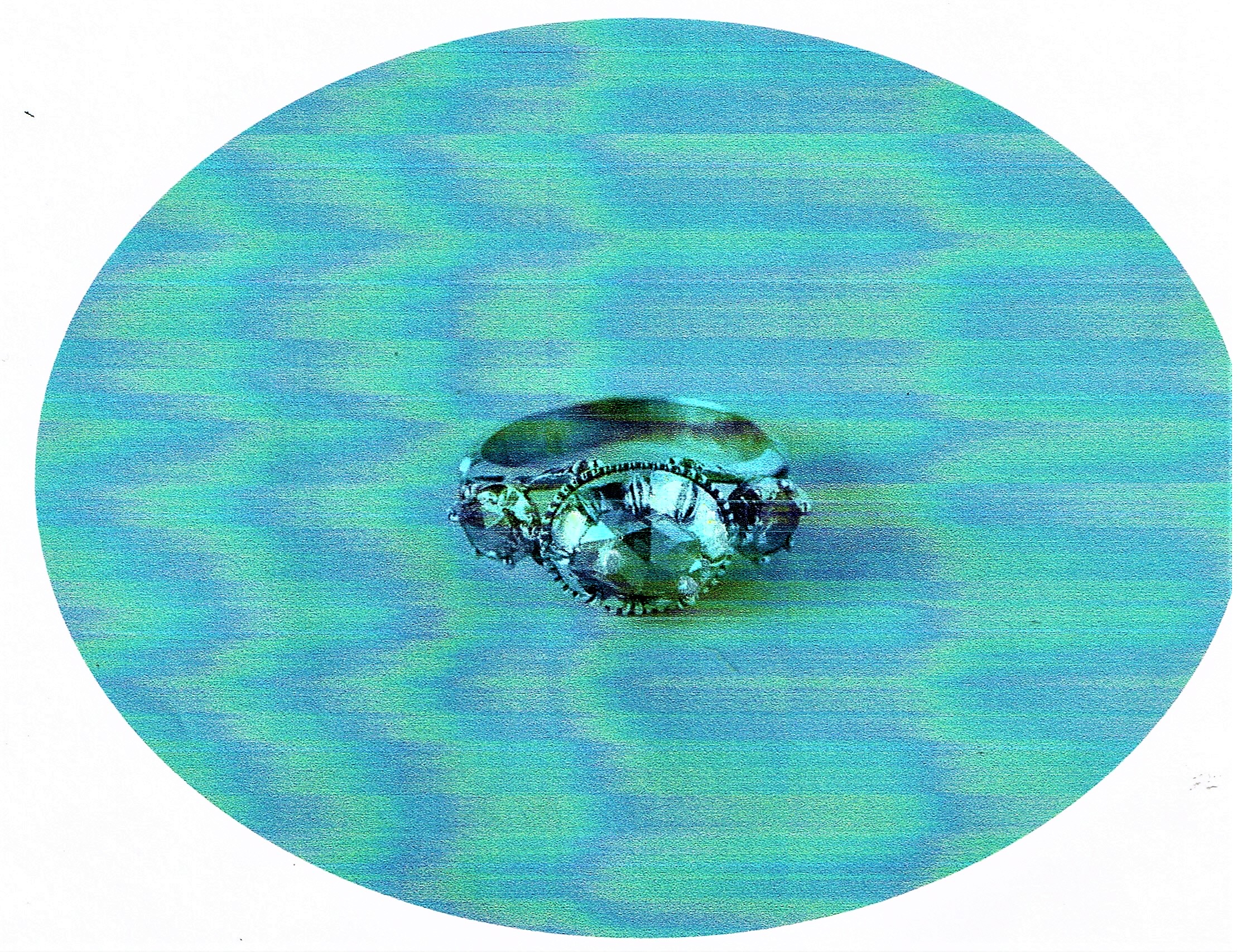
     Chester kept a tiny, gray velvet box hidden in his pocket. A ring with a big white diamond lay in a soft spongy space inside. He said it belonged to his mom. She died and went to heaven not long after he was born.

     “You can’t touch it, Stacey,” he said. “Only I can do that ‘cause it belonged to my mom. I like to hold it and pretend she’s right next to me. Dad said she had hair dark as molasses and a voice that made the angels cry.”

     He rolled the ring in his palm, then held the jewel to the sun, as if he could see more than a few sparkly places. Then he carefully put the ring back inside, and we ran to find swings next to one another on the playground. If there weren’t any, we climbed the monkey bars and he never seemed to care that I always beat him to the top.

     One day in the lunchroom, Mrs. Craftwood saw Chester take the ring out of his pocket. She dragged him to the principal’s office. I threw away the other half of my bologna sandwich and followed them. They didn’t close the door. I saw everything.

     “This ring had to be stolen,” Mrs. Craftwood told Mrs. Austin, “Because this boy’s father is entirely incapable of affording something like this.”

     Mrs. Austin glared at Chester. “Stealing is a sin, son. You should know that.”

     After school when Chester’s dad got to the principal’s office I sat outside the office and listened again. I knew that he had a job in a big, important office a long time ago, but the company closed one day, and he never found another job like it. Then after his wife died, he moved into an old four-room house on the edge of town and did odd jobs now and then. Folks said he didn’t seem to care anymore. But when he charged into Mrs. Austin’s office, it was clear he cared about something.

     He didn’t say anything while she and Mrs. Craftwood accused Chester of stealing. Then he asked if either one of them took a close look at the ring.

     “Why should that be necessary?” Mrs. Austin asked.

     “Because it doesn’t take much light to see the truth in that diamond.  Let me guess.  Came in a gray box. Smells a little like grass stains and peanut butter.”

     “What are you talking about, sir?” Mrs. Austin said.

     I had to cover my ears because Chester’s dad got so loud. And this time the door was shut. He’d slammed it when he went inside. Hard.

     “Would a real diamond look as scratched up as the side of a matchbox?”

     “Please lower your voice,” Mrs. Craftwood said.

     “Not until you return his mother’s ring.”

     I wanted to lean into the door and catch everything that went on, but then Chester’s dad started talking about how his wife deserved better, and so does Chester. Wasn’t so exciting anymore. Something I couldn’t explain made me feel strange, almost like I walked into the boys’ dressing room by mistake. So, I sat on the bench outside the door and waited for what seemed like a long time.

      “Thank you,” Chester said as his dad opened the door. Simple, like nothing was ever taken from him in the first place. He didn’t even see me right away because he was too busy slipping the ring on and off of his finger.

     But his dad’s face looked so red it must have hurt. I could have sworn it burned right through his whiskers. He stopped when he saw me. “Stacey, you’re a good kid. Chester’s crazy about you. Don’t ever get too big for yourself.”

     “I won’t,” I said. But I thought that was a strange thing to say.

     Chester never did come back. He went away to a special-needs school on the other side of town. Mom said it was time for me to start playing with normal children.

     “What’s normal?” I asked, and Mom accused me of being smart aleck.

     But this time I wasn’t.

     After that, I decided it was best to be vague about what I was doing. Sometimes I went to Chester’s house, and we explored the woods behind it. We hoisted ourselves into the trees with lower branches and hunted for birds’ nests and woodpecker holes. He carved our names into a young beech tree.

     “Someday when we’re old enough, let’s get married,” he said. “We’ll come back here, and I’ll draw the heart and put the date on it.”

     “Maybe,” I said. “But let’s look for salamanders down by the creek now.”

     “Okay. But why can’t we ever go to your house to play?”

     “Mom said I had to play outside. She’s cleaning.”

     “You said she was sick last time,” he said.

     “That’s because all she does is clean. And that much cleaning would make anyone sick.”

     I stopped going to his house as much because I got tired of lying. To Mom. To Chester. Then one day I told Mom I was going for a long bike ride all by myself. I went to Chester’s house, but no one was there. When I peeked into his house it was empty, blind-dark. On the way home I felt mean like somehow, I made Chester move away. I stopped at our beech tree in the woods, took a sharp rock, and etched a shallow, lopsided heart around our names. It didn’t look very good. I’m not sure why I did it. Playing house never appealed to me. And Chester and I were never boyfriend and girlfriend.

     But when I went to my cousin Janet’s wedding that summer, I thought about what it would be like to be a grown-up getting married. Maybe just for that day, I would be willing to wear a lace dress, one made by a silly third-grade girl who grew up to be a fashion designer. Of course, I didn’t want to marry just anybody. The groom needed to be special, someone like Chester, who could give me a fake diamond, yet be real inside.


The narcissist mentioned in the following poem is obvious.  However, it could refer to many dangerous historical figures. The following quote presents a massive challenge.

“The ultimate measure of a man is not where he stands in moments of comfort and convenience, but where he stands at times of challenge and controversy.” ~ Martin Luther King, Jr.

 Bag of Wind


Wind lifts a white plastic bag

and carries it with

bat-swift gusts from the street

to the base of a tree.


The bag appears to be

moving on its own, breathing,

mimicking a

living creature.


An illusion. I think

about people fed

hot, even dangerous air,

led to follow the whims


of a narcissist who claims,

“I will be there,” words made of

vague promises. A breeze arrives

and lifts the bag to a sharp branch.


Misled followers leak air.

They blame enemy design.

I pray the truth saves all.

Before the tree dies.


previously published in For A Better World