I was ashamed of myself when I realized life was a costume party and I attended with my real face. (Franz Kafka)


WE CALL IT VISION

Sometimes the honest heart speaks within a limited space.
The first poem, a haiku, carries 5, 7, 5 syllables.
The next five lines, a tanka, delivers truth in 5, 7, 5, 7, 5 syllables.


DURING A BLACK-AND-WHITE TV SCENE

” I don’t see color,”
says a white man to lynchings
as he leaves the room.


COMMUNITY

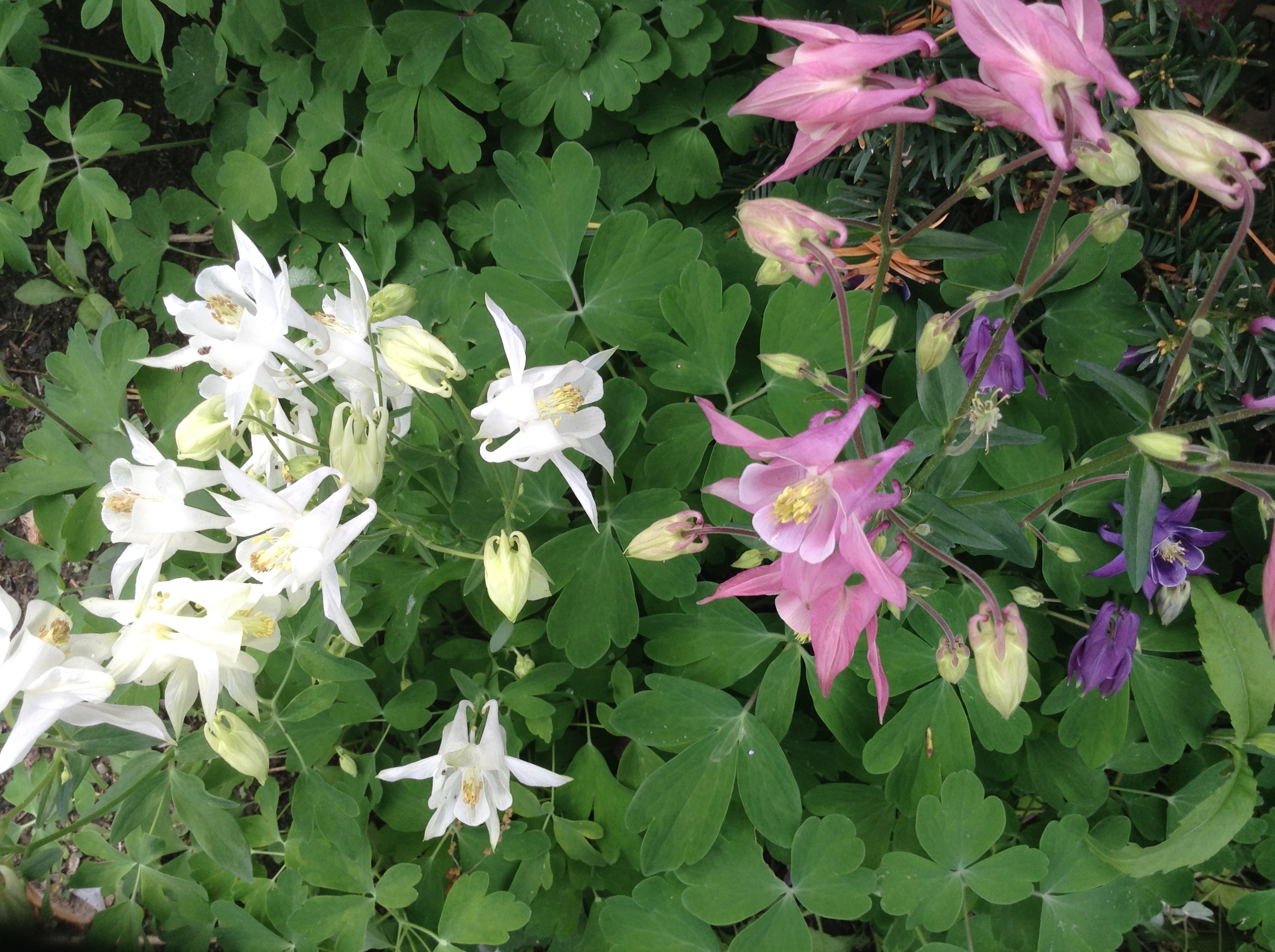
The flower sees bees
coming and opens petals.
Possibilities.
Plant and insect share alike.
Even as the stem stands still.
"Children are the hands by which we take hold of heaven." ~ Henry Ward Beecher
When Real Can Be Almost Anything
You tape scraps of multicolored paper
to white cardboard. With pink, blue, orange,
and violet squares you design hair.
A purple crayon creates a squat body.
Outstretched arms wear six fingers on
one hand and four on the other.
Your signature justifies to the right. You
draw off your canvas and onto paper below.
I smile, pleased by an image too powerfulfor a single square of paper,
created by chi too fresh to know its power.Imagination, the world under controland capable of change and fun, time made of this moment only and how it can be turned into play.
Until reality challenges its optimism.
"The wound is the place where the Light enters you." ― Rumi


At A Nature Preserve, January 2012
The Year Before Dad Died

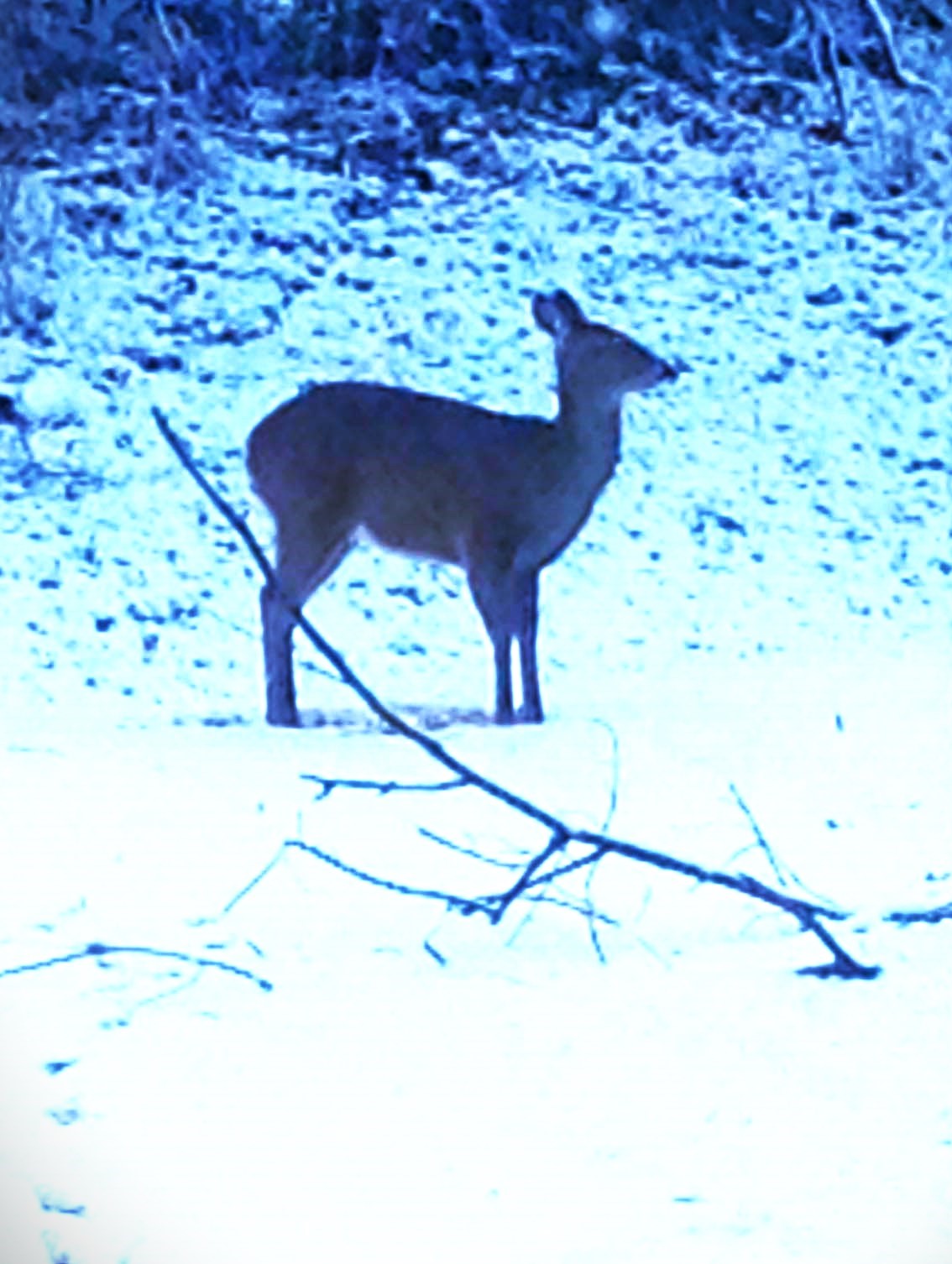
January opens a sliver of warmth
as my husband and I
traipse through fresh mud,
past wadded-leaf squirrel nests, and
over discarded acorn tops.
My boots collect clumps of
soil in their ridges. When the trail
widens I slide my grimy soles
over loose gravel,
 and beg it to remove the soil.

What I really want is to cover
my father with more than
a thin, white institutional blanket
as he lies a few miles away
in his narrow nursing home bed,
even though I know in minutes
he will thrash about, the blanket tossed aside,
as if it were tissue paper that could be
blown across this lake with a single breath,
his thin arms and legs exposed.

They didn’t take off my stockings last night,
he told me. And yet his nurse claimed
he’d been confused.
I responded that he may not recall detail,
but he recognizes pain.

I wanted to say,
Can’t you see beyond the stroke,
the tremors, the uncertainty,
and age? Can’t you see the man?

The words blew away,
more quickly than bitter winds
scatter October’s leaves.

I speak now to the stark brown
outline of trees
until I discover the blue above them,
the same brightness that celebrated August
with strips of white spanning the sky
before the goldfinch dulled his feathers,
when the hummingbird’s wings rarely paused,
and tomorrow was only a word.

I allow the spirit of the Preserve
to open the way
to beauty
present even now
in winter chill,
in touching pain,
in healing the deepest hurts.
Inside the Kiln
“The trouble with having an open mind, of course, is that people will insist on coming along and trying to put things in it.” ― Terry Pratchett, Diggers
Nan stares at her pottery in progress
as if it were a foreign object. Another student
asks why she appears distracted and sullen.
"Too much going on," she answers, rather than saying my father died.
"The classmate answers, "Have you tried
melatonin? Meditation? Acupuncture?"
Nan answers, "I consider the sourceof all suggestions."
The critic leaves to finish some work at the kiln.
Another student touches
Nan's shoulder. She pauses then says, "The kiln’s fire finishes our creations. Too bad that same flame can mean incinerate, or char, or..." The student speaks softer,
"Yesterday I met a girl who said she was your sister. She told me something. I have known a similar
too-much-going-on. Can we simplify it together?"
“When we establish human connections within the context of shared
experience we create community wherever we go.”
― Gina Greenlee, Postcards and Pearls: Life Lessons from Solo Moments on the Road


On Route

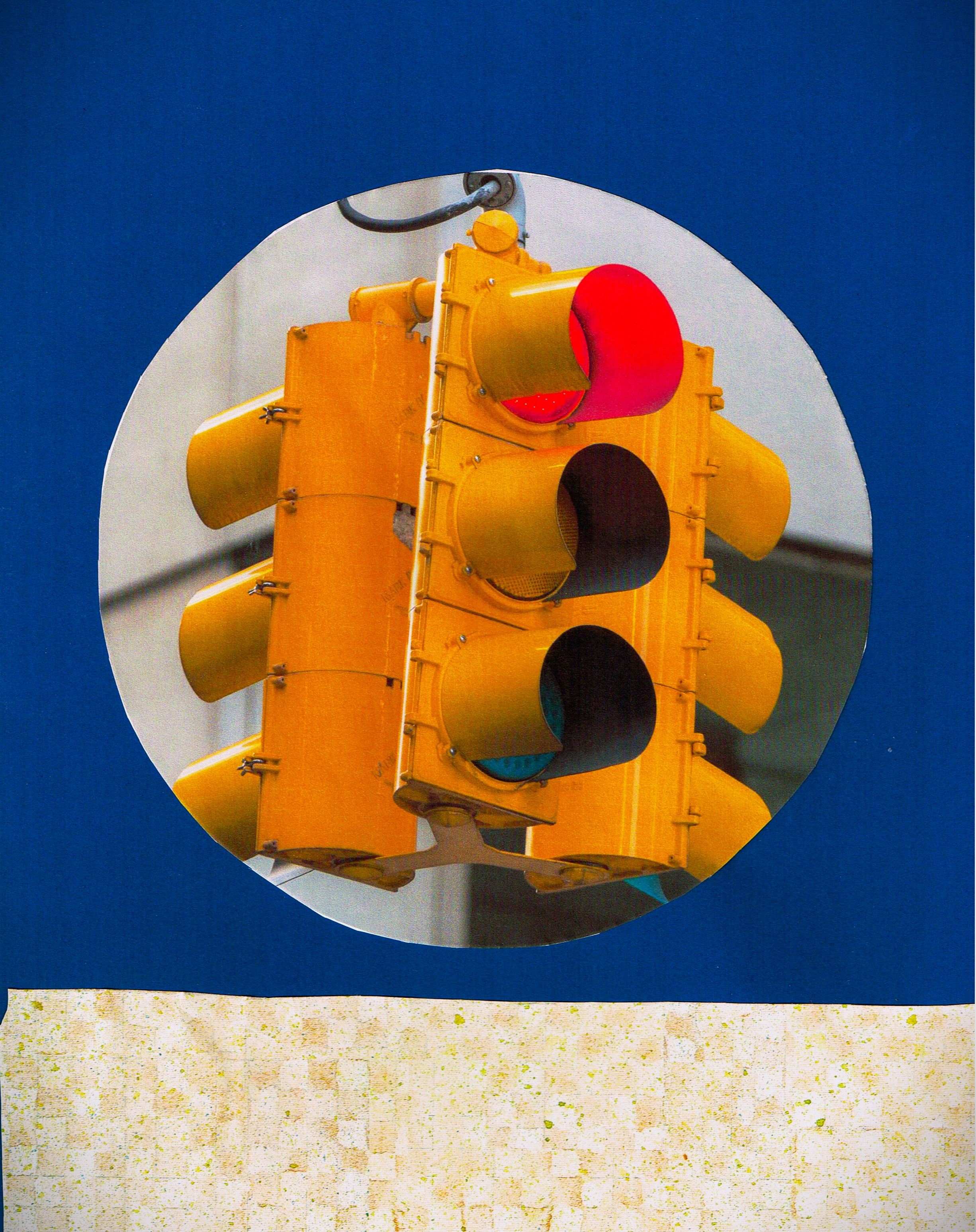
Another traffic light turns red.
As I wait, I notice a man
at a bus stop. He leans
on a white cane
and faces the direction
the bus will take him.
His ears know the unique
sound of a bus.
.

On the other side of the street
a young couple take turns
holding a baby too young to lift
an almost bald head.


A teenager guides an older woman
across the street.
The elderly woman stares ahead
toward the curb,
while the younger person
watches her companion’s feet.


The light turns green.
I know the lane patterns ahead.
This is familiar territory.
Yet, the space feels different,
made of intangible pieces,
concrete connected to spirit.


illustration made from public domain image and cut paper
Life is too short to be wasted in finding answers. Enjoy the questions. Paulo CoelhoOne square block of sidewalk.
Sometimes it appears sufficient,
a part of a whole.
On other days the pocked places rise.
And the darker pebbles act
as if they are meant to rule
my spirit. As if the promise
of lighter squares on the path ahead
couldn’t exist. I’m stuck.
One more step, then one more
until the walk becomes a journey again.
“It is important for people to realize that we can make progress against world hunger, that world hunger is not hopeless. The worst enemy is apathy.” – Reverend David Beckmann, president of Alliance to End Hunger.
“Self-acceptance is self-love in action.”
― Jodi LivonINSIDE THE NARRATIVE
A few fellow writers gather at a coffeehouse
to share poetry. I read a narrative piece
about a nameless boy who pretends a painful event
has never happened. He hides
inside a malignant silence, innocence shattered.
His wounds leak into cells under his skin
long after the bleeding has stopped.
I pretend to hide behind the gender switch,
inside fictional scenes, and create places I have touched
but never embraced. My voice remains strong
through ten stanzas
until a single unexpected stammer
rips through my veneer,
thin as ice on a lake in early spring.
I’m afraid I could drown in my own metaphors.
I come to a moment when my character
compares himself to a goldfinchwho leaves winter and enters spring
with bright warm-weather feathers.
He flies onto a budding branch.
My character knows who he is again.
I recall expecting death one night when
I didn’t know shades of color would reappear
and develop subtlety, strength, and shape.
Songs would rise from my dried throat.
The boy in my poem grows through each stanza,
speaking, becoming whole. Another woman in the group
suggests with a single tremulous glance
that she, too, could tell a similar story. She nods and smiles. I prefer it to applause.
“The truth is I'm getting old, I said. We already are old, she said with a sigh. What happens is that you don't feel it on the inside, but from the outside everybody can see it.”
― Gabriel García MárquezParallel Places
Two men lie parallel
in geri-chairs.
Mesmerized, one
watches the other sleep,
acts as his protector.
When the sleeping man gasps
and coughs, the first
jolts upright. On unsteady feet
he stands, ready
to save his comrade.
Two aides rush
to settle the first man.
One of them leans forward
and shouts into his ear.
You fell this morning. Remember?
I did?
He appears perplexed, then
does as he is told.
On his side, with his
eyes open wide, he watches,
breath timed
with his wheelchair-bound friend,
even though his sleeping comrade
floats unaware in distant dreams.
The sleeping man’s visitors,
a man and a woman,
notice the gentle guard.
They smile and assure
the old gentleman
he can stay where he is.
He nods.
He may hear.
Or not. He continues his
quiet watch.
The sleeping man's visitors talk about
their grandchildren,
vacations, ordinary tasks.
until the summer heat
breaks into a storm.
The woman rises
to kiss the sleeping
man on his forehead.
His eyes flutter, but he doesn't rouse.
She pauses. The space between
real and unreal appears,
a shore cracking and dividing.
She fears touching a place
that doesn’t promise an exit.



 terrypetersen