Feeds:
Posts
Comments

Posts Tagged ‘inspiration’

I believe in the goodness of imagination. ~Sue Monk Kidd

Memories, off-screen

A friend calls and her enthusiasm shines.
She describes the beautiful chaos
of her two young children
as they illustrate the book Mommy wrote
about their make-believe adventures,
where the creatures have rhyming names
and skin colors that match the rainbow, 
while the television screen remains blank
and the world expands at their fingertips.


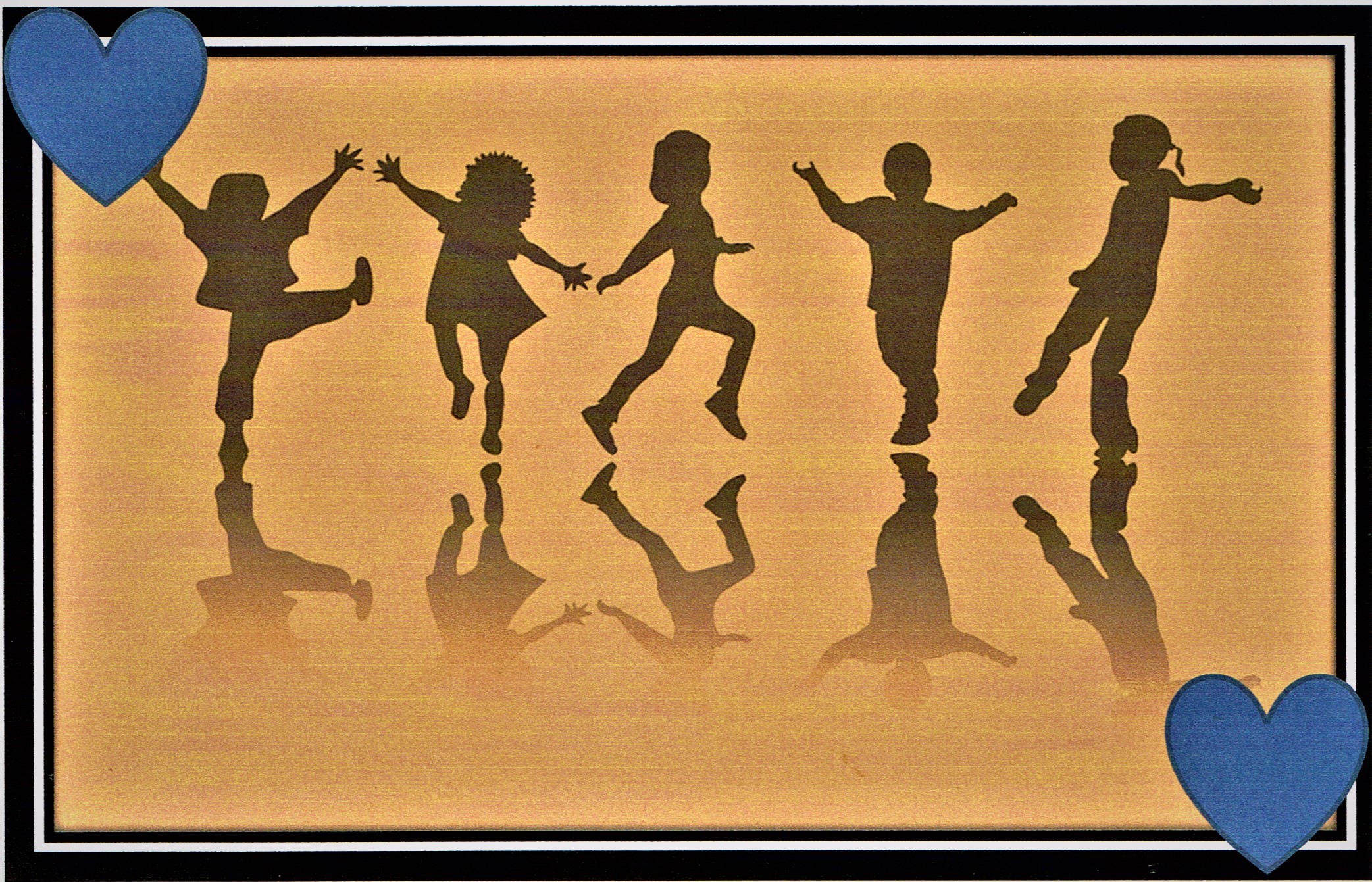
illustration made from kid-style decorated photo

Read Full Post »

“It is character that should be the sole measure of judgement in the society of thinking humanity, and nothing short of that would do.” 
― Abhijit Naskar, We Are All Black: A Treatise on Racism

CONTRAST

The news broadcasts the story in an infinite loop.
Nine people killed, one an unborn baby.
Boy or girl, identity as unknown
as the reason for the bullets that stopped them.
I listen to commentary
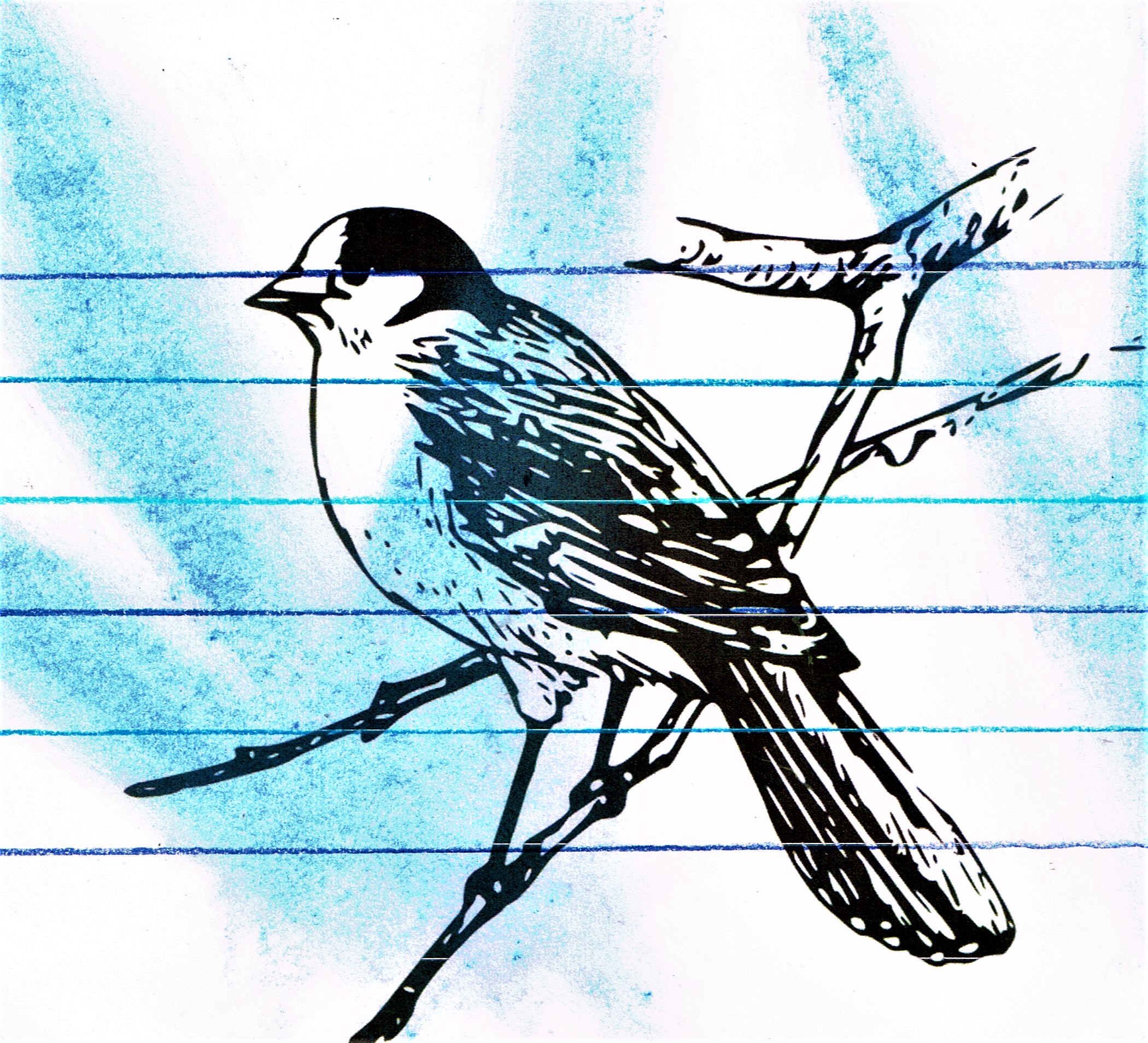
about hate and racism while a winter-pale 
goldfinch travels from tree to wire, 
a place where robins perch.  
The wire is long with plenty of room.

Perhaps, there is no genuine connection.
Only a brief metaphor. And yet 
I wonder if change can begin
with subtle movements toward peace.


bird illustration made from public domain photo, colored pencil, and chalk


Read Full Post »

bear ornament

A person’s a person, no matter how small. Dr. Seuss


My son Greg is four years old in this memory. Not every word is accurate. The spirit of the tale remains true.


“Mommy, will you write a letter to Santa for me?”


“Why sure.” I grab a notepad. My young son begins his list before I can grab a pen from the drawer.


“Five hundred trucks, puzzles, books—the fun kind that make everybody laugh, and let’s see…”


“Wait a minute. Start again. Five hundred?”


“Right. This list is for the poor kids.”

I complete the letter, see what I have in my pantry to give, and then pray that my son’s request becomes real someday.


(more…)

Read Full Post »

“Ageing is just another word for living.”

Cindy Joseph

Good morning, mirror. I can count on you to be truthful. This day may be young, but my face shouts geriatric. Reflections don’t need to speak to shout reality. You can be powerful. I watch and let what I see connect with my brain and heart so soon after Thanksgiving. Life is a precious gift. I think about gains and losses. People. Things. 

One glance outside shows me trees with rough bark. When birds and animals visit a growing oak or maple, they don’t change the tree’s mind about what the species is, or why it doesn’t have leaves this time of year.  I wonder, was my last storm worth fighting? Or would it have been better to wait it out? Wisdom discerns when to act and when to remain silent. Whatever I do, may I choose to do it, to be it, to act with as full a vision as possible. May I lose this notion that I need to be perfect to be okay.

Good morning, mirror. Good morning, fresh-day me. One more opportunity to make a difference. 

Read Full Post »

Families are the deepest, most screwed up relationships that we have. Antony Starr


THE DOLL HOUSE

Her pink shirt stained
with chocolate birthday cake,
the little girl moves miniature figures
through her new doll house.
The adults talk.
Their voices rise and fall with
grunts and whines. 

That child’s daddy needs a new attitude.

Ray should knock off the bourbon
before his liver turns into a sponge
like the one in Nita’s filthy sink.

What’s the point of a 25-cent coupon 
on four cans of tuna?

High-priced gas in a rusty Chevy is
like pouring diamonds
into a broken goddamn gumball ring.

The little girl pauses,
interrupted by dull laughter, a cynic’s applause,
as she prepares her doll family for a special trip
under the stairway,
where purple sand and white sea waits, 
with a sky where the only clouds permitted 
are made of ice cream and marshmallows,
and no one over the age of six may enter. 


Read Full Post »

“The truth is I'm getting old, I said. We already are old, she said with a sigh. What happens is that you don't feel it on the inside, but from the outside everybody can see it.” 
― Gabriel García Márquez


Parallel Places
                                                                         
Two men lie parallel
in geri-chairs.
Mesmerized, one
watches the other sleep,
acts as his protector.
When the sleeping man gasps
and coughs, the first
jolts upright. On unsteady feet
he stands, ready 
to save his comrade.

Two aides rush
to settle the first man.
One of them leans forward
and shouts into his ear. 
You fell this morning. Remember?

I did? 
He appears perplexed, then
does as he is told.
On his side, with his
eyes open wide, he watches,
breath timed
with his wheelchair-bound friend,
even though his sleeping comrade
floats unaware in distant dreams.

The sleeping man’s visitors,
a man and a woman,
notice the gentle guard.
They smile and assure
the old gentleman
he can stay where he is.
He nods.
He may hear.
Or not. He continues his
quiet watch.

The sleeping man's visitors talk about
their grandchildren,
vacations, ordinary tasks.
until the summer heat 
breaks into a storm.

The woman rises
to kiss the sleeping
man on his forehead.
His eyes flutter, 
but he doesn't rouse.

She pauses. The space between
real and unreal appears, 
a shore cracking and dividing.
She fears touching a place
that doesn’t promise an exit. 

Read Full Post »

“Generosity is giving more than you can.” – Khalil Gibran

Most of the traffic lights on Main Street still flash yellow as Dad drives my sister, Mom, and me to the hospital this Monday morning. April 6, 1998. There was no need to circle the date on the calendar. We haven’t been able to think about anything else.

Dad offers to stay with me while I get ready for surgery, but I tell him, “I’ll see you in the Recovery Room.” I’d kind of like to be alone right now. Not sure why.

He nods without looking at me. I think he gets it. Dad can be cool. My mom’s got easy-trigger tear ducts. She is going to need Dad more than I will.

 After all the preliminaries I shiver in my faded brown gown. It’s designed for mooning between the tied bows. I pull a blanket to my chin and close my eyes, but they refuse to remain closed. They stare at the ceiling. It’s bare, sterile, and covered with pocked tiles. The walls are a dull green, the kind only a Sherlock Holmes would consider remembering. Nothing like my room at home. My entire ceiling is covered with posters: Cincinnati Reds and St. Louis Cardinals, Globetrotters, Frank Zappa, and The Simpsons. I even have some old Scooby Doo cartoon stuff. Mom doesn’t care for my design plan. She thinks it looks cluttered, like everything else in my room, but she tolerates it.

 My dresser is covered with football trophies. In the center is a framed picture of my sister Leah and me on vacation last summer. No girlfriend’s photo. Not yet. Sure, I play sports, so people assume I have dates all the time, but as soon as a female classmate says hi, I lose every bit of saliva in my mouth. I’m useless.

 I get up to go to the bathroom—more to move around than any real need. The clock seems to be moving in geological time. My toes touch an icy floor.

My privacy feels invaded as the flush echoes into the hallway. As I wash my hands I frown at my baby-round face and blotchy field of dark freckles. A stranger would never guess I’ve been seventeen for three months now. Funny, though, I never realized how much my eyes look like my sister’s, small and pale, kind of green and kind of blue.

 I’m crazy about my younger sister, Leah. No doubt about that. But we’re not that much alike. I’m a redhead, with too many freckles for my face, and she’s so blond and pale she could fade into a sheet. She’s barely twelve and would rather read than anything else. I’m not anti-intellectual, but I prefer to weave and run on the football field.

Mom says I charge through whatever I do as if I had only one chance to grab the ball. I tell her that born leaders act that way. She doesn’t always know when I’m kidding. She should lighten up now and then, but I understand why she’s so worried all the time. My sister is so sick that I lose count of how many times people ask how she is.

 Dad worries in a different way than Mom does. He gets sullen and simmers. Then when I’m spending a rainy Saturday watching TV, he asks me what I plan to do with my life. I pretend not to care, but I’m not really that great at anything, and I can’t tell him that. Especially not when he’s in one of his moods. He shakes his head and then goes in to check on my sister. I hear him talking to her about how well she did on her science test after she missed half the term. He talks loud enough that I’d have to be beyond stupid not to know he’s really talking to me.

 I barely passed Biology last term. That means a brain surgeon career is out. I could go for history, at least the way Mr. Riley teaches it. He’s an American History buff.

Once he said, “Abe Lincoln didn’t like dressing up. He’d take off his jacket, pull off his boots, and stretch his toes, whether there were visitors at the White House or not. And there is a reason why I’m telling you this.” He unlaced his shoes and slammed them on the desk. “That doesn’t have a thing to do with the founding of Virginia, but these are new shoes and my feet hurt. I figure if Abe can do it, so can I.”

The whole class laughed. I’d like to be cool like Mr. Riley. But I’m not sure I can teach people who don’t want to learn. There are a lot of kids like that at my school. Heck, I wouldn’t want to try to teach somebody like me.

I wonder if Grandpa Myer was a good student. He served in the army in World War II in bomb disposal. I can see him in the old stilted-frame home movies, his khaki uniform turned to gray on the black-and-white film. Of course, when I ask him what it was like when a bomb started ticking, he says, “Courage doesn’t come pure. It comes wrapped up in a lot of very smelly stuff.”

I want to tell him not to talk to me as if I were a six-year-old baby, but Grandpa always asks how I’m doing, no matter how weak Leah may be, so I let it go.

Heroes intrigue me, of all kinds. There was a time I imagined being on the cover of “Sports Illustrated.” I wouldn’t admit it out loud, but I had my front-page pose planned in my parents’ full-length mirror. Last year I dislocated my left knee in a game early in the season. That knee hurt like crazy. Sometimes it still does. Mom doesn’t want me to play at all.

Almost cutting time. My mind has been doing cartwheels. Now my stomach is doing them. Come on, David. It’s not like you are afraid of the dark or anything.

Sometimes Leah likes a night light. Kids her age tell ghost stories with flashlights aimed at their chins. But then Leah has spent a lot of the last few years in the hemodialysis unit. Three days a week in a narrow, blue vinyl chair, with the machines, thick needles, and tubes, her blood thinned with heparin. I sat with her and read stories with her for hours, the smell of insulin and something antiseptic stuck in my nostrils.

I have never understood why my smart sister acts like her C-student brother is the greatest ever. She’s always asking for me. When I tore up my knee that time I didn’t cry much. She cried for me. Last summer I stayed the whole four hours with her when she had dialysis. I got to know the health techs and nurses. They joked and talked with me as much as they did with her. Sometimes Leah’s potassium level would get too high. The doctor would order kayexalate with sorbitol from the pharmacy STAT. That would help, but at other times she needed an extra day of hemodialysis. Then she would cry and I would fume. I know every inch of the dialysis unit, and I’ve learned a lot about kidney disease.

But the fact is, I never got used to the routine.

Yeah, Leah’s special all right. Maybe I’ll make her proud of me for real someday. I’ll tackle my study phobia and get a job in research, at a miracle place where intense studies eliminate kidney disease, make the common cold less common, cancerous tumors antiquated, and bloated fat cells a thing of the past.

Right, what a rich fantasy life you have?

An orangish pink is washing over the darkness outside. I see it through the window. A woman pushing a portable X-ray machine passes my door. Voices in the hall rise: “Hey, Kelly, do you have the med-room keys?” “Lifting help in Room 11.”

Somebody in blue scrubs writes something on my chart. He looks at me and smiles. It’s funny. I know this operation is a big deal but the thing I’m worried about is that first needle stick.

My lab results are on target. Leah is ready. I’m as ready as I’m ever going to be. I slide both hands over the warm trunk of my body and picture the charts the doctor showed me, full-color glossy pictures. He showed me something like a map of what was about to happen. They’re cutting Leah from the front, someplace by the groin; if something goes wrong, they can get back in easily, not something I want to think about. Because they’re cutting me through the back, the doctor told me that I will take longer to recover than Leah will. For the first time, I realize those pictures were flat and superficial, the difference between viewing Italian travelogues and visiting Rome, or checking out pizza ads and taking a good solid bite of double-cheese pepperoni.

I nod to the man in blue scrubs, gulp, and then smile. Mom and Dad are with Leah right now. I’m going to be fine.

Oh well, whatever happens, here’s to you, little sister.

Read Full Post »


When someone loves you, the way they talk about you is different. You feel safe and comfortable.”
― Jess C. Scott, The Intern

Future Life Dancer

Two little girls dance
on an empty open stage.
They twirl exploring dizziness
and laugh as song rhythms repeat.

A man comes and pulls
the older child away while
the smaller one continues
to explore her own feet,

to pat her toes in syncopated
rhythms on the wooden floor
as if she notices her shoes 
and their sounds for the first time.

My brow lowers as the
scene continues and I wonder
if I am making judgments based
on fact. To bless all possibilities

I slip by the father and his two
small girls. “You have beautiful
children,” I say, then grin at the
older child. My words are for her.

illustration made from public domain image


Read Full Post »

Among the Rabbits pic

“He who does not understand your silence will probably not understand your words.” Elbert Hubbard

AMONG THE RABBITS

Carson had a knack for quiet. He sat as still as the broken clock that stood on a pole outside his school building, obvious yet ignored. He would talk in class, when necessary, about how numbers fit together or an e at the end of a word changed its sound. That one muted vowel grabbed the end of a word and changed its meaning. He understood.

Silence didn’t necessarily mean safety.   

Carson had hair bright as a ripe tangerine, tiny freckles across the bridge of a small nose, the kind of face adults called endearing. Yet, he had learned trust and grownups didn’t necessarily mix. No matter how nice they appeared. It isn’t a good idea to touch a colorful frog; it’s poisonous. Inside and out. 

His third-grade teacher smiled and called him an ideal student. She never threw him against a wall for reasons more silent than the e, the way his foster mother did. Carson, however, couldn’t take any chances. He measured syllables as if they had the power of a summer storm that could stop a clock.

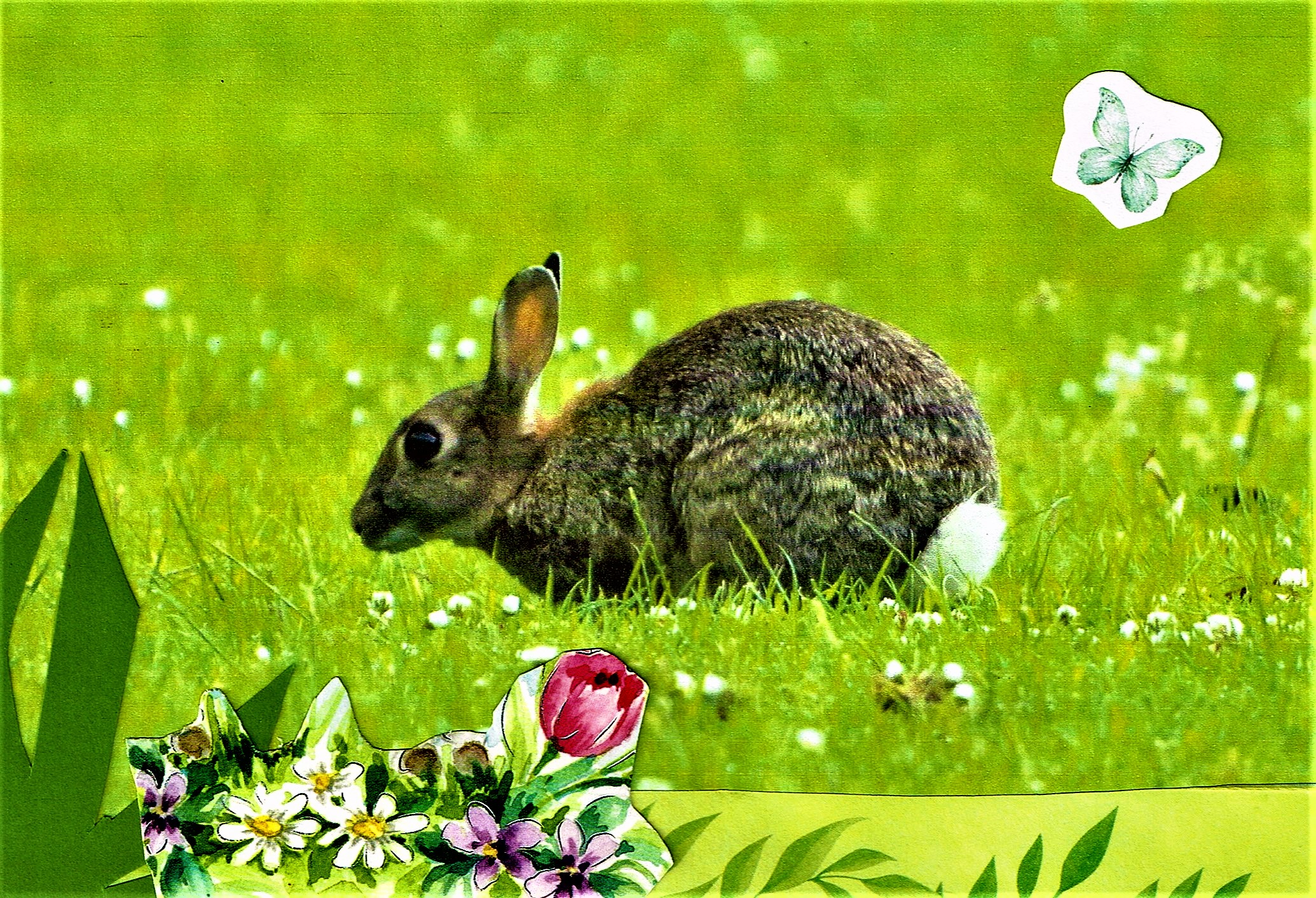
Reading helped as a temporary escape, especially library books about animals. Dolphins swam in oceans as blue as ink. Beavers built dams and he imagined joining them. He traveled across Australia with joeys and flew with eagles over canyons. He loved wild, free rabbits. He watched for them as he rode the bus in the morning, in the center of a lawn one moment, out of sight the next.

Carson had no place to go. As soon as he got home at three o’clock, his foster mother locked him in the tiny storage room. He never knew when she would return. Their apartment had designer couches and expensive antique vases; they could have been gold-plated garbage cans. Carson never experienced the gold.

Summer vacation began in one week, and his stomach hurt whenever he thought about it. He would spend long stifling hours alone. Or, when his stepmother stayed home, he would iron, scrub floors, and scour the toilet with undiluted bleach, his usual chores.

He remembered his real mother who had been taken from him when he turned five. The grownups were all wrong; she wasn’t crazy, only sad. Besides, they talked about her as if she had done something wrong. She just cried a lot, saying horrible people surrounded the house. They listened to her conversations. She warned him that their cat had swallowed a microphone; he needed to be careful about petting her.

The last he had heard, his dad lived someplace on the west coast, or was it Florida?

His foster mother, however, seemed to enjoy meanness. “If you tell anyone about the bruises on your back, you’ll get worse. I swear.” Carson didn’t doubt it for a second. She wore each threat like a funnel cloud, no warning siren necessary. He could feel it in the atmosphere.

 At school, Carson had one friend, Robin. She talked enough for the two of them. “Beat you to the cafeteria line,” she always said, but never did. One of her legs hadn’t grown as long as the other.

None of the other kids bothered with her, except to call her Wobbles. Her teeth lined up as crooked as a rock fence and her eyes looked no bigger than uneven pebbles. She told Carson the kids who made fun of her needed to grow up. Although he noticed Robin was the shortest kid in the class.

Sometimes she shared homemade quickbreads from her lunch: a muffin, biscuit, or cornbread.

“Mom and I had a flour fight last night,” she told him as she cut an oversized banana muffin with a plastic knife.

“What’s a flour fight?” Carson devoured his half of the muffin and then folded the paper as if it were going into a shirt drawer instead of the trash.

“You know, where you take flour and throw it at one another when you make cakes or bread.”

“Doesn’t that make a mess?”

“Sure, then we clean up, and laugh about it.”

“Oh. Okay.” It didn’t make sense at all, although he remembered when he lived in a house that wasn’t neat, especially toward the end. No flour anywhere. The garbage overflowed and the house smelled like a cat box. All the blinds stayed shut night and day with the lights turned out.

“What would you like Mom to bake next?” Robin gathered their paper trash into a crumpled ball.

“Whatever she wants.”

“But what is your favorite?”

“Biscuits. Big ones.”

“You got it. Maybe your mom should make some biscuits for you. That same old skinny bologna on white has got to be boring after a while.”

Carson stared at the lunchroom table until the time came to go out to the playground. Remembering his mother made his head hurt.

“Let’s hurry to the playground before the other kids get to the swings. Beat you there.” Robin grinned.

Carson didn’t try to run. He wanted his friend to win for a change.

 “Doing anything this summer?” Robin stretched her belly over the lowest swing on the school grounds, arms and legs dangling.

 He had heard one of the teachers tell another they might take the swings out during the summer and replace them with safer equipment. Carson hoped that didn’t happen. He liked joining the sky and feeling power. Besides, swings made him forget about danger. He never saw anyone get hurt. What made the playground unsafe now? Why hadn’t the change been made last year, or the year before if they were so awful?

“No, I’m not doing anything. Nothing special anyway.” He stared into the sky as he pumped his legs and kicked the air until the chain jerked

 “Not even read?”

 “Well, sure. About animals.”

 “Yeah? I live where rabbits come out of the woods because we feed them. Lettuce. Tomatoes. Every morning, early.”

“No cages?”     

“Uh uh. Why don’t you come to my house and see them?

 “Not allowed.”

 She dragged her shoes through the dust. “Oh.”

 Carson’s throat tightened. He wouldn’t dare get his feet that dirty.

“Follow me. Over there.” She pointed to a wide tree at the left of the playground.

She spit on her hand. “You do it, too. Then we shake hands, share secrets, and become best friends forever. We die if we tell.”

“That’s silly.”

“Carson, don’t you trust me?”

He looked at her, grimaced, spit on his hand, and then slapped it onto hers.

“I have a toad-shaped birthmark on my back. When I wiggle, it hops.”

He shrugged, pretending to smile. “My best friend next to you is a pee jar.”  

He expected her to laugh, but she didn’t. Instead, she frowned, and opened her mouth to say something, but didn’t. Instead, she ran, awkwardly, toward the slide. He climbed the ladder behind her. The metal surface gave a scalding warning. He should not have hinted at anything about his home life.

The next day Robin asked about a burn on his hand.

“An accident. Sort of.”

“From what?”

“Ironing my foster mother’s stuff.”

“You iron? Wow.”

Carson re-tied a shoelace that didn’t need it.

“I’ll go to your house. How about tomorrow?”

“Bad idea.”

“Why?”

He paused and then shrugged.

Grinning, she tugged at the back of his collar, gasped, and suddenly let go. Her smile evaporated. “I didn’t. I didn’t.”

“What?”

“Sorry, I didn’t mean to pull on your shirt so hard.”

“It’s okay.”

But chirping Robin turned into a mother hen. If Carson dropped a pencil she dived for it, as if it were breakable glass. He felt her eyes on him almost all the time. She never explained why.

On the last day of class, she almost turned back into herself. “I brought two muffins today instead of one.” However, she peeled off the wrapper of both pieces of bread as if he were a toddler.  

“Okay,” Carson said. “What’s up?”

“Nothing. Mom just made extra.”

“I iron. Remember? I can handle paper.”

“Oh. Sorry. Just being polite.”

After Carson arrived home he made a peanut butter sandwich, washed the knife, poured a cup of water, got his own pee jar, and smoothed a blanket under the single light bulb in his tiny hideaway. Three books lay unopened on the floor. He had already read them. No more library books during the summer. His foster mother would never let him go. All his new reading came from the school library. He only had a few books now.

He thought about the rabbits at Robin’s house as they ran through the yard, free, fed, happy. He bowed his head when he heard the storage room door lock from the other side, then the front door slam. He waited until his foster mother had been gone at least five minutes before he cried.

Scarcely an hour passed when he heard the door reopen. She couldn’t be home already. Then he heard the landlord’s voice. “Really, officer, if there’s been any trouble, I knew nothing about it. Honest.”

“Carson, where are you?” Robin shouted. “Mom’s made a snack for you.”

Then a woman with a musical drawl called, “This is Robin’s mom. It’s going to be okay, honey.”

Carson felt his heart fight to get out of his chest.

“Got some homemade biscuits with butter if you’re hungry.”

“In here.” His answer came as a dry squeak. The lock slid open.

Outside the door stood the tallest, darkest policeman Carson had ever seen, a plump woman the color of spicy pumpkin pie, and Robin.

“We are here to help you, son.” The policeman extended his hand.

Carson held his breath.

“I’m sorry. I had to tell Mom and Dad. Especially since he’s a policeman. He promised me it would be okay. Dad doesn’t lie.” Robin bit at her thumbnail.

“Huh?”

“Oh, guess you didn’t know. I’m foster, too.  When I saw the cuts and bruises on the back of your neck, they made me remember.”

Carson heard footsteps in the hall outside the front door. He was surprised he didn’t pass out when the apartment door opened, and the footsteps got louder.

A woman he didn’t know appeared. “Sorry that I’m late. Construction detour. Traffic backed up for miles.”

“Oh, that’s the social worker. Don’t worry,” Robin said. “You’ll like her. She’s a good person, not just nice.”

“Where am I going?” Carson whispered.

Robin smiled. “If everything works out okay, with me to watch the rabbits.”


First appeared in Piker Press in August of 2014


Read Full Post »

black squirrel (2)

"Rarely does one see a squirrel tremble." 
Zadie Smith.

The air in Canada carries peace—until a black 
squirrel attack begins.
“Watch out!” a fellow traveler calls as an 
acorn whizzes past me from the roof 
of the motel.

Squashed acorns appear all over 
the parking lot.

The squirrel appears and searches through 
the pieces. Humans aren’t a target now. 
It’s buffet time. 


All I know for certain is that I am not 
invited. The woman who saw the critter's
prank,smiles. 


She and I talk. We feast on the moment,
the serendipity of meeting others. 
illustration made from cut paper and colored pencil


Read Full Post »

« Newer Posts - Older Posts »